




High-Performance Branding: The Complete Guide to UV DTF Film
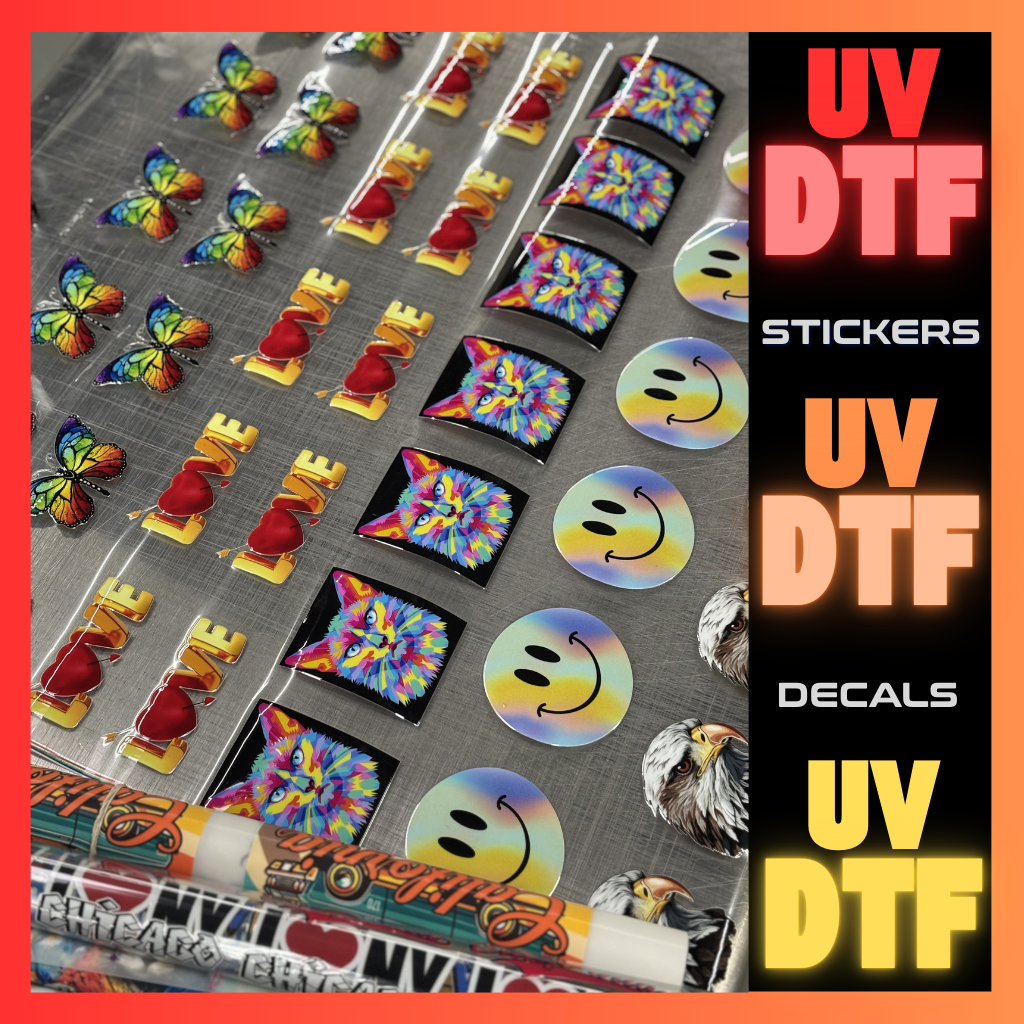
The world of custom printing is moving faster than ever before. UV DTF Film is at the leading edge of this technological change. This product allows you to create high-quality transfers for hard surfaces without any heat. It combines the power of ultraviolet curing with a simple transfer process. Unlike traditional stickers, these transfers feel like they were printed directly on the item. Whether you are a small business or a professional print shop, this film is a vital tool. In this guide, we explore why this material is revolutionizing the personalization industry.
What Exactly is UV DTF Film?
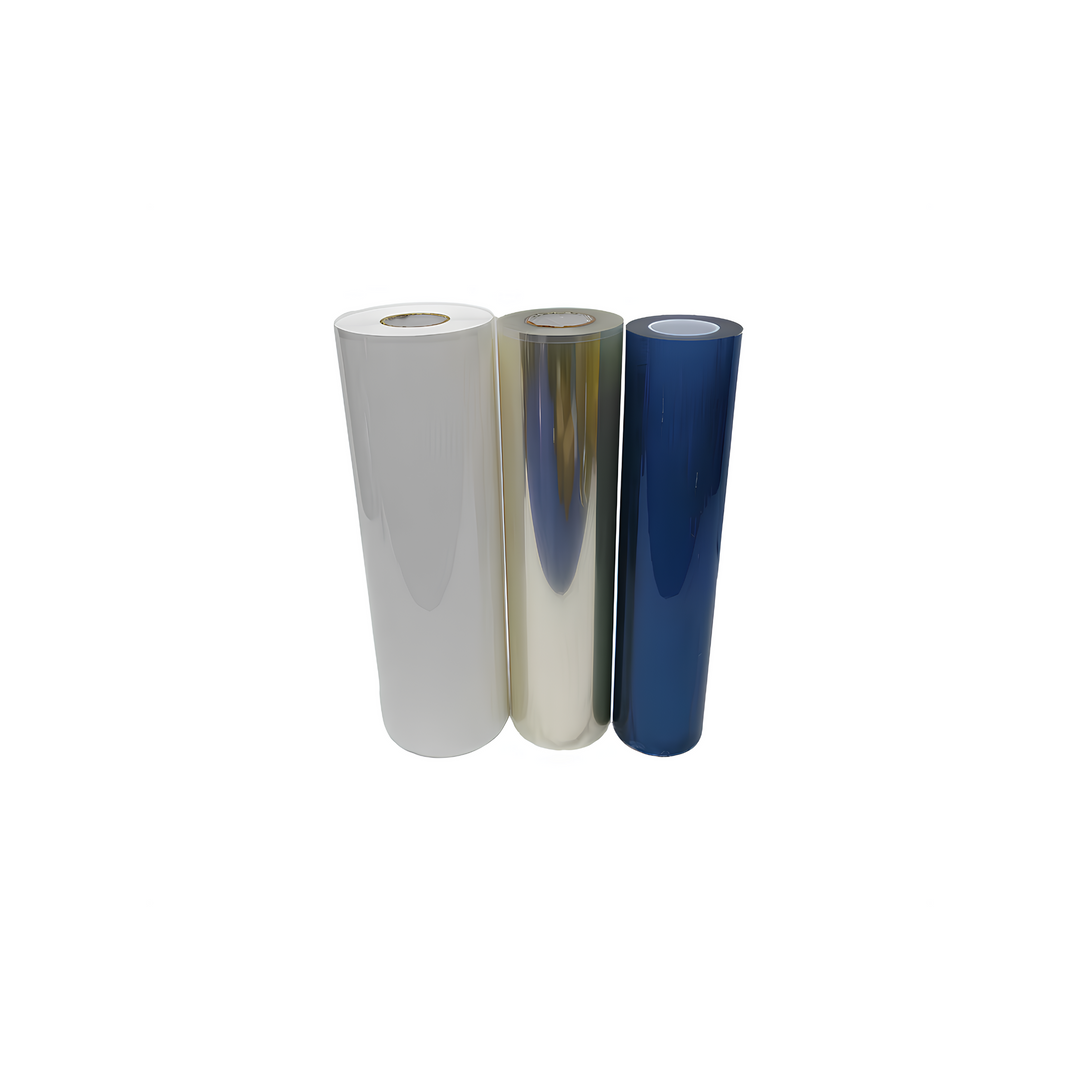
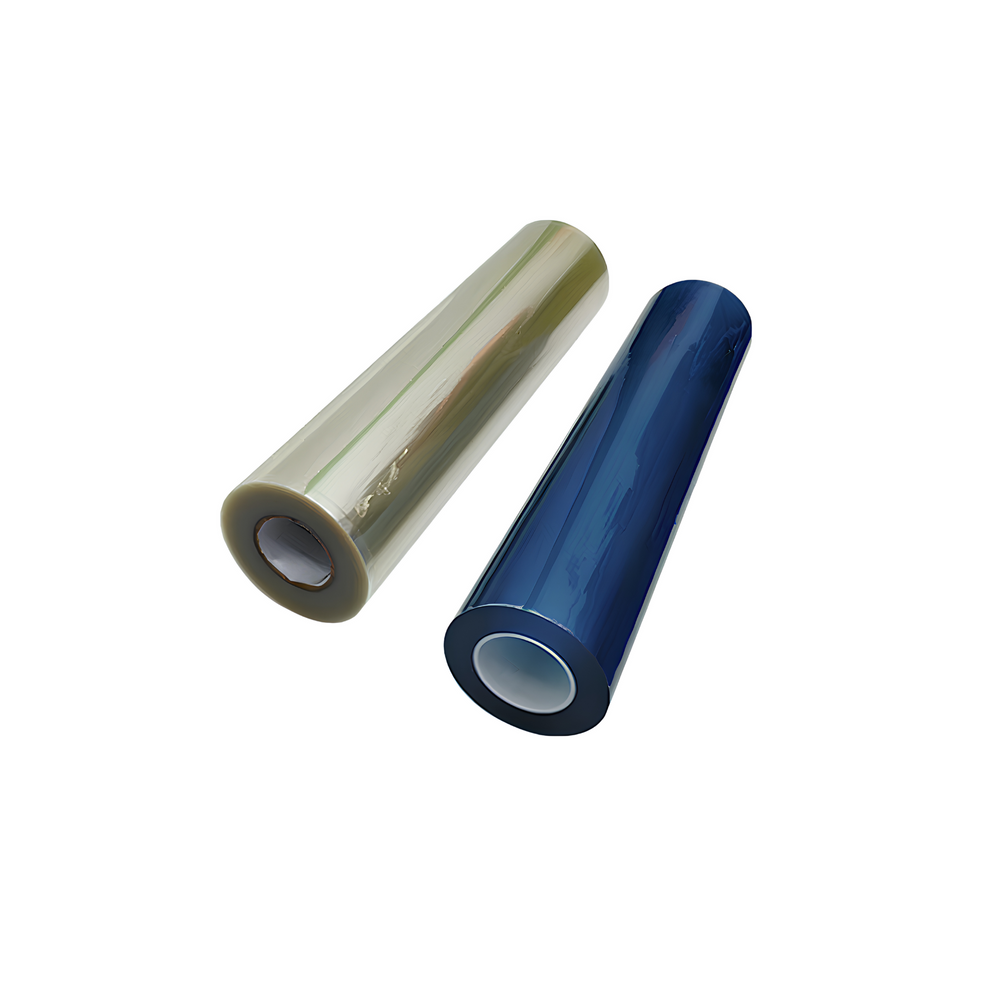
UV DTF Film is a two-part system designed for specialized digital printing. It consists of an "A Film," which is the printing media, and a "B Film," which is the lamination layer.
The process starts by printing your design onto the A Film using UV-curable inks. A layer of high-strength adhesive is applied during or before this stage. After printing, the B Film is laminated on top of the design. This creates a "sandwich" that protects the ink and allows for easy application. The final result is a cold-transfer decal that can be applied to almost any hard surface. It is a modern solution for those who need durability and detail.
The Key Benefits of Using UV DTF Technology
Why are so many creators switching to UV DTF Film for their projects? The advantages are practical and offer a high return on investment.
-
No Heat Required: You do not need a heat press or an oven to apply these designs.
-
3D Embossed Effect: The layers of ink and varnish create a tactile, raised texture.
-
Irregular Surfaces: It easily conforms to curved or slightly textured items.
-
Instant Curing: UV light dries the ink immediately, making the process very fast.
These benefits make the technology accessible for a wide range of applications. It eliminates the risk of damaging heat-sensitive materials during the branding process.
The Step-by-Step Production Process
Using UV DTF Film requires a specific digital workflow to ensure success. First, your design is printed onto the adhesive side of the A Film. The printer uses CMYK colors, white ink, and a gloss varnish.
While the ink is fresh, the A Film and B Film are fed through a laminator. This step is crucial because it transfers the glue and ink to the carrier sheet. Once laminated, the transfers can be cut into individual pieces or kept on a roll. To apply them, you simply peel the design and rub it onto your target object. It is a clean and efficient way to produce professional-grade merchandise.
Versatility Across Hard Materials
One major strength of UV DTF Film is its ability to bond with many surfaces. Traditional methods like sublimation are limited to specific coatings.
With this film, you can decorate glass, metal, wood, and ceramic with ease. It is perfect for acrylic trophies, plastic electronics, and even stone coasters. Because it is a cold process, you can use it on items that would melt under a heat press. This flexibility allows you to offer a massive variety of products to your customers. From personalized phone cases to branded office supplies, the possibilities are nearly endless.
Durability and Resistance Features
Customers expect custom designs to stay vibrant for a long time. UV DTF Film is engineered to meet these high standards of durability. The UV-cured inks are naturally resistant to water and sunlight.
Once applied, the transfer has strong scratch resistance and a firm grip. It can handle daily handling and light cleaning without peeling at the edges. While it is not recommended for heavy dishwasher use, it is much tougher than standard vinyl. The varnish layer acts as a shield against environmental wear and tear. This level of quality ensures that your brand looks professional for months or even years.
How to Achieve a Perfect Application
The final quality of UV DTF Film transfers depends on how they are applied. Preparation of the target surface is the most important step in the process.
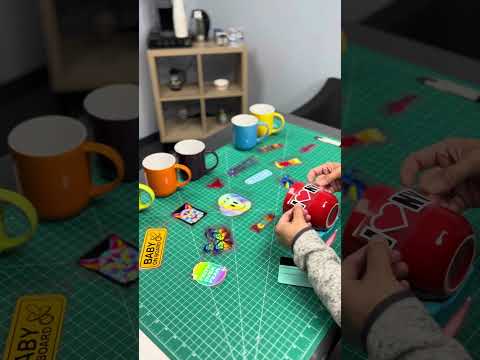
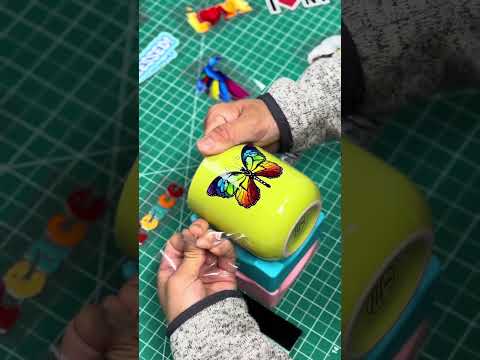
Always clean the surface with isopropyl alcohol to remove oils and dust. Carefully peel the B Film (the carrier sheet) away from the A Film backing. Position your design and press it down from the center to the edges. Use a squeegee or firm thumb pressure to ensure total contact with the surface. Finally, peel the clear film back slowly at a sharp angle. This technique prevents air bubbles and ensures the design stays perfectly flat.
Saving Costs with Efficient Film Usage
For businesses, maximizing the use of UV DTF is key to profitability. "Gang sheeting" is the best way to reduce waste and lower your costs.
You can pack dozens of small logos and designs onto a single meter of film. This allows you to print multiple orders at the same time. Because the film is stable, you can store printed transfers for several months. You don't have to apply them to products immediately after printing. This "print-on-demand" capability helps you manage your inventory more effectively. It turns a large roll of film into a high-value asset for your shop.
Essential Design Tips for UV Printing
The best results with UV DTF start with high-quality digital files. Always work with vector graphics or 300 DPI raster images for maximum clarity.
Ensure your background is 100% transparent to avoid unwanted white borders. If you want a 3D effect, you must set up your white and varnish layers correctly. Thicker layers of white ink will result in a more pronounced raised feel. Avoid lines that are extremely thin, as they may have trouble sticking to the surface. Following these design rules ensures your final product looks like a factory-made item.
Troubleshooting Common Film Issues
Even with professional equipment, you may face challenges with UV DTF. If the design does not transfer, your lamination pressure might be too low.
If you see silvering or air bubbles under the film, check your lamination speed. Moving too fast can trap air between the A and B layers. Always store your film in a cool, dark, and dry place to prevent the adhesive from drying out. If the ink is chipping, your UV lamp intensity may need to be adjusted. Understanding these technical details will help you maintain a consistent and high-quality output.
The Future of Cold Transfer Printing
The technology behind UV DTF is constantly evolving and improving. We are now seeing films that offer holographic, gold, and silver metallic finishes.
New adhesives are being developed that bond even more strongly to difficult materials like silicone. As the cost of UV printers decreases, this method will become even more common. It is a more sustainable option than traditional pad printing because it produces less chemical waste. Small creators and large factories alike are adopting this film to stay competitive. It is truly an exciting time to be involved in the custom decoration industry.
Conclusion: Elevate Your Brand Today
UV DTF provides a powerful and flexible way to brand almost any hard surface. It combines the beauty of high-definition printing with the simplicity of a sticker.
By investing in quality film and mastering the application process, you can create incredible products. Whether you are making custom gifts or industrial labels, this technology is the answer. It allows you to produce retail-quality goods with minimal effort and no heat. Start your journey with UV DTF today and see how it can transform your creative business.
You can stay connected with Eagle DTF Print and explore the latest in professional printing technology by following our official social media channels. Follow us on
he UV DTF Inks (1 Liter) available at Eagle DTF Print are specially formulated to provide superior adhesion and vibrant colors on hard surfaces. Available in CMYK, White, and Varnish options, these high-quality inks ensure professional results for everything from promotional items to industrial designs. Known for both their durability and wide color gamut, these inks are designed to take your print quality to the next level. You can explore the full range and technical details by visiting the
Let customers speak for us
Excellent product and delivery
Excellent product and delivery time!
Brooks Marcus

Build Your DTF Gang Sheet
Love this company
Love this company... fast service and great quality
Heather

Upload Your DTF Gang Sheet
Amazing and Fast
Fast, reliable service. Prints always come out amazing!
Jules Conway
Upload Your DTF Gang Sheet
Wonderful!
Always fast, always correct. Quick to answer questions. Using the color sample sheet for reference, colors are great!
Amberly
Upload Your DTF Gang Sheet
I'd give more than 5 stars if I could!
I can never say enough great things about Eagle Print! My go to! We have used many many different companies in the past and Eagle is by far the best. Orders are easy to place, no hassles, great prices, better quality and fast delivery!
Heather Swart
Build Your DTF Gang Sheet

Won’t clog headafter a few days of not being
Won’t clog headafter a few days of not being used
jose zuniga

Premium DTF Ink - White 1 Liter
Great Work!!!
Very helpful and patient. I really like the work they do.
DTF and UV
Anonymous
Build Your DTF Gang Sheet
Honestly, the best money I’ve ever spent on transfers! The 24/7 pickup is GENIUS!
RYAN WAKEFIELD
Eagle DTF Print
