Blank Apparel: The Foundation of Quality Printing in 2026
The success of any custom clothing brand starts long before the printer starts running. In 2026, the choice of Blank Apparel has become the most critical decision for creators and entrepreneurs. A high-quality transfer can only perform as well as the surface it is bonded to. As the market shifts toward premium streetwear and sustainable fashion, selecting the right base garment is the key to customer retention and brand prestige.
Direct-to-Film (DTF) technology has changed the requirements for blank garments. Unlike traditional Screen printing, which sits on top of the fabric, DTF bonds at a molecular level with the fibers. This means the weave, weight, and material composition of your blanks will directly impact the final look and feel of your product.
Why the Right Blank Matters for DTF
Not all garments are created equal. When you choose your Blank Apparel, you are choosing the durability of your business. In 2026, consumers are more educated than ever about fabric quality. They look for shirts that don't shrink after the first wash and hoodies that maintain their shape over time.
For DTF specifically, a smooth printing surface is essential. Fabrics with too much "fuzz" or stray fibers can interfere with the adhesive powder's bond. This is why ring-spun cotton and high-density weaves have become the industry standard. Our Premium Adult Uni-Sex Crew Neck T-Shirt is specifically engineered to provide this ultra-smooth surface, ensuring that even the finest details of your design remain crisp and vibrant.
Materials: Choosing Your Canvas
Understanding fabric composition is the first step in mastering the art of custom apparel. Here are the most popular materials in the 2026 market:
1. 100% Ring-Spun Cotton This remains the king of the industry. Ring-spun cotton is softer and more durable than regular cotton. It provides an excellent surface for DTF transfers because the fibers are tightly twisted, creating a flat canvas for the ink and adhesive.
2. Cotton-Polyester Blends (CVC) Blended fabrics offer the best of both worlds. They provide the comfort of cotton with the durability and wrinkle resistance of polyester. These are often the preferred choice for activewear and high-usage work uniforms.
3. Tri-Blends Consisting of cotton, polyester, and rayon, tri-blends are known for their incredibly soft "vintage" feel. While they are comfortable, they require careful heat management during the pressing process to avoid scorching the fabric.
Essential Blank Apparel Categories for 2026
To run a successful shop, you need a diverse inventory. Here are the essential categories that are currently driving the most sales:
Premium T-Shirts
The t-shirt is the cornerstone of the custom world. In 2026, the trend is moving away from "disposable" promotional tees toward high-end retail quality. Our Premium Adult Uni-Sex Crew Neck T-Shirt fits this demand perfectly, offering a modern cut and a heavy-weight feel that customers perceive as high-value.
Heavy-Weight Hoodies
Streetwear continues to dominate the fashion scene. Consumers are looking for hoodies with structured hoods, dropped shoulders, and thick fleece lining. A high-quality hoodie blank allows you to charge premium prices for your custom designs.
Sustainable and Organic Options
Eco-consciousness is no longer a niche market. Many brands are now exclusively using organic cotton or recycled polyester blanks. These garments often carry a higher price point, but they resonate deeply with the modern, environmentally aware consumer.
Technical Considerations for Heat Pressing
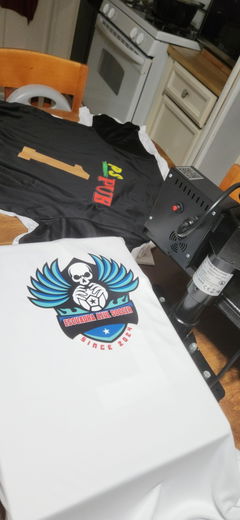
When working with Blank Apparel, your heat press settings must be adjusted based on the garment's color and material. Darker fabrics, especially 100% cotton, can sometimes experience "dye migration" or scorching if the temperature is too high.
It is always recommended to perform a "pre-press" for 5 to 7 seconds. This simple step removes any moisture trapped in the fibers and flattens the surface. Moisture is the enemy of DTF; if the garment is damp, the adhesive will not bond correctly, leading to peeling after a few washes. Using high-quality blanks reduces these risks by providing consistent fabric behavior under heat.
Sizing and Fit Trends
The "fit" of a garment is just as important as the design. In 2026, we are seeing a split in market preferences:
-
Oversized and Boxy: Popular in streetwear and urban fashion. These blanks provide a large canvas for massive back prints.
-
Athletic Fit: Preferred for gym wear and performance brands. These garments require high-stretch DTF transfers that move with the body.
-
Uni-Sex Standard: Still the most popular for general merchandise and events because they fit a wide range of body types comfortably.
Ensuring your Blank Apparel inventory covers these different fit styles allows you to capture multiple customer segments simultaneously.
Maintenance and Care for Finished Garments
Educating your customers on how to care for their custom gear is vital for brand loyalty. Even with the best blanks and transfers, proper care is required to ensure longevity. We recommend the following instructions for all finished products:
-
Turn the garment inside out before washing to protect the design surface.
-
Wash in cold water to prevent fabric shrinkage and preserve color vibrancy.
-
Tumble dry on low heat or hang dry for the best results.
-
Never iron directly over the transfer. If ironing is necessary, use a piece of parchment paper as a barrier.
Conclusion: Building Your Brand on Quality
In the competitive landscape of 2026, your reputation is built on the quality of the products you deliver. Starting with premium Blank Apparel is an investment in your brand's future. It reduces returns, increases customer satisfaction, and makes your designs look their absolute best.
At Eagle DTF Print, we are committed to providing you with the highest-quality foundations for your creativity. Whether you are printing a single custom gift or launching a global clothing line, our selection of blanks is designed to help you succeed.
Call to Action