Enjoy 20% Off All DTF Transfers!
•Automatically applied at checkout.
•Limited-time offer!
•
Shipping calculated at checkout.
The UV DTF A&B film is a game-changer in custom printing, especially for Direct-to-Film (DTF) applications. As the demand for vibrant and durable prints grows, understanding how to use UV DTF A&B film effectively is essential. This article covers the benefits, features, and uses of UV DTF film roll and will guide you in choosing the best option for your printing needs. 📈🎨
For more details on DTF UV film, feel free to visit the Wikipedia page.
UV DTF film is a transfer film used in the Direct-to-Film printing method. This technique uses UV-curable inks to create vibrant, long-lasting designs on various materials. The UV DTF film roll consists of two parts: the A-side (used for printing) and the B-side (which facilitates the transfer of designs to materials).
The process begins by printing your design on the A-side. After curing the design under UV light, the transfer process starts. The design is then transferred to fabrics and other items using a heat press.
The UV DTF A&B Film Roll offers many advantages for businesses in the custom printing industry:
Vibrant Colors: Print highly detailed, colorful designs that last. 🌈
Durable Prints: UV-curable inks resist fading, ensuring long-lasting designs.
Wide Material Compatibility: Works on cotton, polyester, ceramics, metal, and more. 🏆
High Precision: Every print is sharp, clear, and true to the design.
When selecting DTF transfer film, the UV Transfer Film Roll stands out for several reasons:
Efficiency: Print multiple designs on a single roll for bulk orders.
High-Quality Results: Produce vibrant and durable prints that last.
Cost-Effective: Use the same film for various materials, saving money. 💰
The process of using UV DTF film begins with designing your image using specialized design software. Once the design is created, it is printed onto the A-side of the film using a UV printer. This process uses UV inks, which are cured using UV light to create vibrant and long-lasting colors.
After printing, the film goes through a heat press process, which ensures the design is transferred from the film to the final material. The B-side of the UV DTF film roll acts as a carrier for the transfer, ensuring smooth and flawless application of the design onto the fabric or other materials.
UV Transfer Film Roll is highly versatile and can be used across various applications:
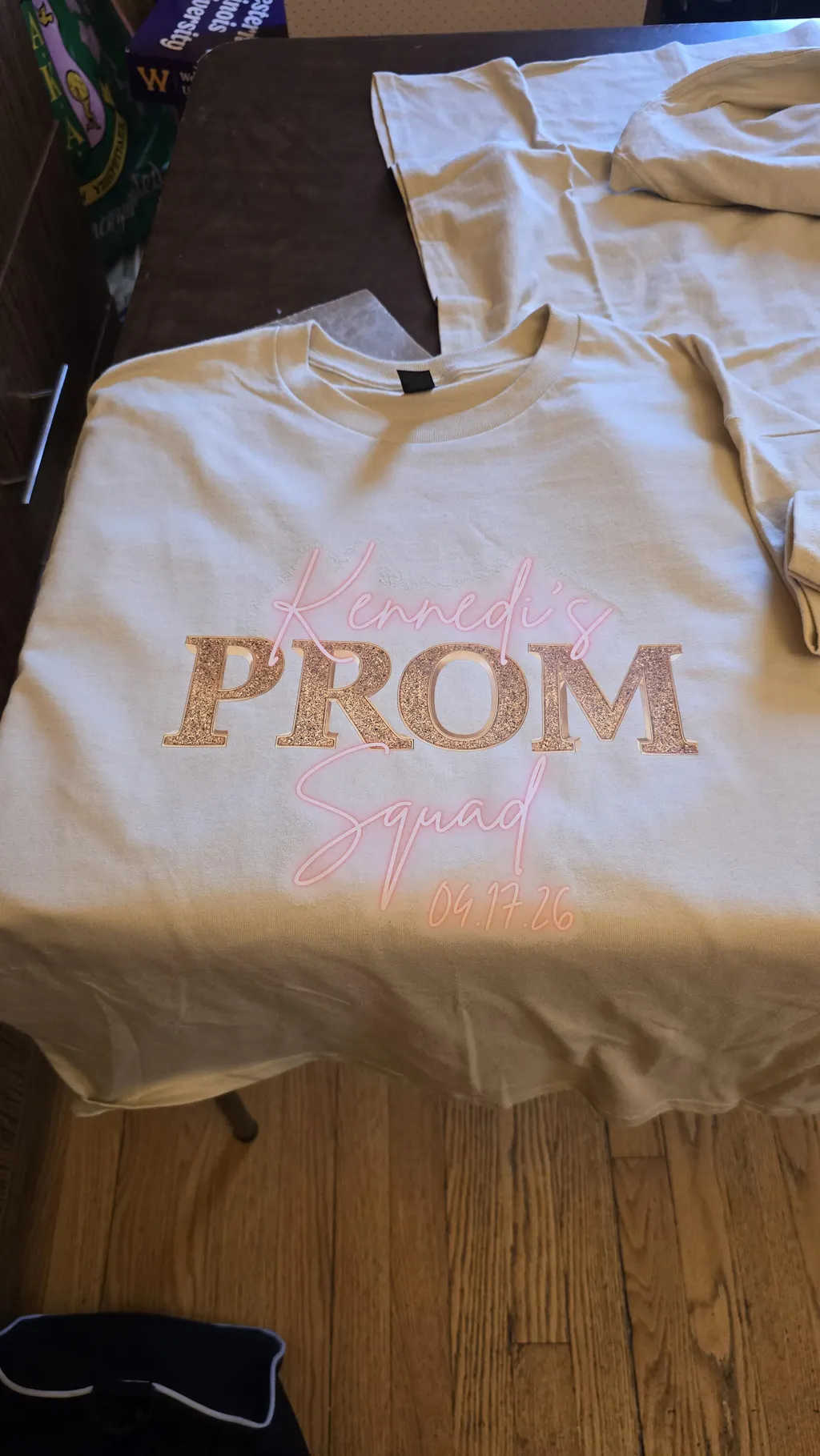
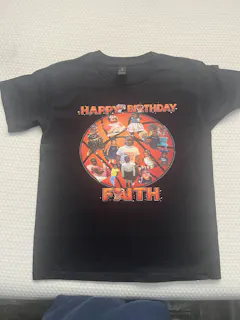
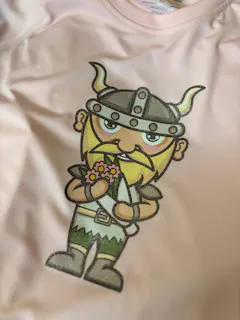
Custom Apparel: Create vibrant designs on t-shirts, hoodies, and hats. The UV DTF film ensures that the designs stay bright and intact even after several washes. 👕
Promotional Products: Print logos and designs on custom mugs, tote bags, and other promotional items.
Home Décor: Customize pillows, blankets, and other textile items with unique prints. 🏠
Industrial Products: Use UV DTF film on materials such as ceramics, metal, or wood for personalized gifts and custom designs.
When selecting the best UV DTF film roll, it’s essential to consider a few factors:
Film Quality: The quality of the UV DTF film roll plays a crucial role in the final output. Choose a high-quality film that ensures vibrant, long-lasting prints.
Material Compatibility: Make sure that the film you choose is compatible with the materials you plan to print on.
Durability: The UV DTF A&B films should provide durable results, especially for items that will be used frequently or exposed to harsh conditions.
If you're looking for a reliable and high-quality UV DTF film, you can check out the UV DTF A&B Film Roll available at Eagle DTF Print.
UV DTF Film Roll vs. Traditional Printing Methods 📊
Unlike traditional methods like screen printing, UV DTF film printing allows for more intricate designs, vibrant colors, and better durability. Here's how it compares:
Screen Printing: Screen printing requires a separate screen for each color and design. UV DTF film printing, on the other hand, allows you to print multi-colored designs without needing multiple screens.
Sublimation: Sublimation works best on polyester fabrics, but UV DTF film roll works on a wide range of materials, including cotton and synthetic fabrics.
Heat Transfer: While heat transfer printing is effective, UV DTF film provides better durability and color accuracy.
The future of custom printing is bright, and UV DTF film roll is at the forefront of this evolution. As printing technology continues to advance, the demand for high-quality, durable, and cost-effective printing solutions will only increase. The versatility and flexibility of UV DTF A&B films make it a valuable tool for businesses in the custom printing industry, helping them deliver vibrant designs on a wide range of materials.
Whether you are in the custom apparel business, promotional product industry, or looking to expand your printing capabilities, UV DTF A&B films roll is a must-have product. It offers efficiency, quality, and flexibility, allowing you to create long-lasting, vibrant prints on various materials. 🌈
To explore more about UV DTF A&B films roll and how it can enhance your printing business, visit Eagle DTF Print.