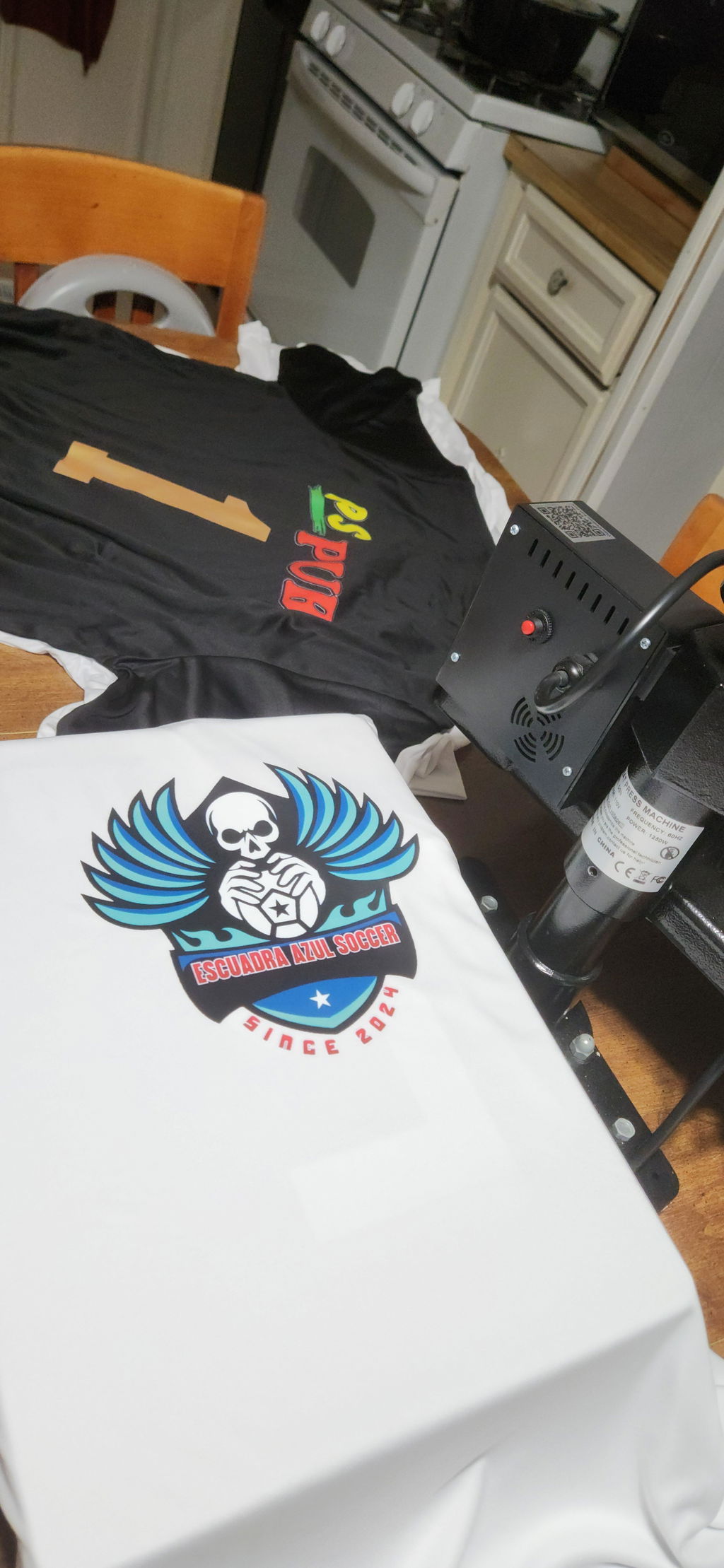
DTF Ink Printer

DTF Ink Printer: The Ultimate Guide to Industrial Digital Textile Systems

Are you looking to revolutionize your custom apparel manufacturing business with unmatched color vibrancy? Investing in a dedicated DTF ink printer system is the single most effective strategy to achieve premium retail results. This innovative digital technology allows you to bypass the restrictive setup costs and labor-intensive screen creation of traditional methods. You can print intricate graphics onto specialized PET films and transfer them effortlessly onto diverse fabrics.

The modern garment decoration and corporate merchandise markets move at an incredibly fast pace. Delivering sharp visual details, high color depth, and exceptional stretch resistance requires advanced fluid dynamics and precise mechanical alignment. Implementing an industrial-grade transfer hardware setup ensures your custom apparel business remains highly competitive, efficient, and consistently profitable.

Why Professional Printing Hardware Controls Your Workspace Profitability

Many print shop owners start their custom clothing journeys using small, modified desktop photo printers. While desktop conversion units are excellent for small hobbies, they quickly create major bottlenecks when handling high-volume commercial orders. Desktop ink channels are fundamentally too narrow to handle dense white textile pigments, leading to permanent nozzle damage and delayed shipments.

Industrial-grade digital printing systems utilize robust, heavy-duty printheads engineered specifically for thick textile liquids. These advanced mechanical systems incorporate automated white ink agitation modules that keep dense titanium dioxide particles moving constantly. Investing in dedicated commercial machinery protects your daily business workflow and drastically reduces your raw material waste.

If you are planning to upgrade your entire mechanical workflow or looking to transition into heavy-duty automated production, we supply robust hardware packages. To explore wide-format commercial machines, automated powder shakers, and high-efficiency curing ovens, check out our comprehensive DTF Equipments catalog.

The Core Components of an Industrial Printing Infrastructure

Operating a successful commercial custom print shop requires an array of perfectly synchronized mechanical assemblies. When every component operates in absolute harmony, your equipment can handle intensive manufacturing schedules safely. Let us examine the essential structural elements that power a modern wide-format transfer system.

1. Robust Piezoelectric Printhead Modules

Industrial machines utilize advanced micro-piezo printheads constructed from chemically resilient metal alloys. These durable assemblies fire millions of microscopic ink droplets per second with absolute geometric precision. This extreme firing control ensures crisp text boundaries, smooth photographic gradients, and flawless solid vector backgrounds.

2. Fully Automated Ink Recirculation Channels

White textile transfer ink requires constant mechanical movement to prevent its heavy mineral base from settling inside the lines. Professional printing systems feature fully integrated, continuous recirculation loops running from the bulk ink tanks straight to the printhead dampers. This automation completely eliminates the need for tedious manual ink shaking routines before starting a shift.

3. Integrated Media Roll Tension Controllers

Maintaining perfect tracking across continuous matted PET film rolls is vital for multi-layer registration accuracy. Industrial print bridges incorporate automated vacuum beds and synchronized tension rollers to feed film media smoothly. This rigid material handling prevents tracking errors, media wrinkling, and head strikes during high-speed bidirectional passes.

Technical Specifications: Evaluating Commercial Equipment Profiles

Matching your workshop hardware parameters to your targeted monthly garment output is essential for maximizing your return on investment. Let us analyze the core mechanical indicators that professional textile print operators monitor daily.

Mechanical Attribute Consumer Desktop Conversion Industrial Transfer System Core Operational Impact
Printhead Grade Plastic Consumer Material Heavy-Duty Piezo Metal Extended hardware operational life
Ink Feeding Style Gravity Stationary Dampers Continuous Recirculation Loop Zero white ink nozzle dropping
Media Handling Manual Single Sheet Trays Automated Tension Roll Feeders Flawless multi-yard alignment
Daily Production 2 to 3 Hours Maximum Run 24/7 Continuous Capability High-volume wholesale output

Streamlining Production and Testing Regional Market Demand

Transitioning to independent, high-volume hardware manufacturing is a major business upgrade that requires steady client demand. If your workshop is still growing its local audience, you can easily outsource your immediate printing needs without buying heavy machinery right away. This flexible approach allows you to secure retail profits while building your core brand equity.

To stock up on premium, ready-to-press custom graphics that deliver incredible color vibrancy on all types of fabric blends, explore our extensive DTF Transfers collection.

Utilizing our premium pre-printed transfer sheets allows you to test out complex artistic designs, unique sizing configurations, and specialized layout templates. Once your monthly order volumes hit commercial levels, you can transition smoothly into running your own dedicated local industrial print workshop.

Critical Maintenance Routines for Commercial Hardware

Even when utilizing elite industrial-grade machinery, maintaining disciplined workshop habits is the only way to protect your long-term hardware investment. Neglecting daily upkeep can cause dry ink crusts to build up around your delicate capping station assemblies.

Perform Morning Nozzle Checks and Test Passes

Always initiate your morning shift by executing a standard mechanical nozzle check pattern on a scrap piece of film media. This test pass provides immediate visual feedback regarding the health of your firing channels. If any color lines show minor gaps, run a short cleaning cycle to restore perfect fluid vacuum pressure.

Clean the Rubber Wiper Blades and Cap Borders Weekly

The automated rubber wiper blade scrapes away excess wet ink from the nozzle plate during routine maintenance cycles. Over time, this wet residue collects lint and thickens into a sticky paste along the edges of the capping station. Use a lint-free foam swab dipped in specialized cleaning solution to wipe down these areas gently.

Maximizing Profitability Through Advanced Nesting Techniques

As your custom clothing brand continues to scale, optimizing your daily digital layouts becomes essential for maintaining high profit margins. Running small, single, scattered files continuously increases film media waste and raises your utility expenses significantly.

Grouping multiple corporate logos, inside neck sizing labels, and complex illustrations onto continuous layout sheets is the smartest way to minimize material expenses. This nesting technique maximizes your active printable area and lowers your cost per clothing item. To discover our full suite of versatile wholesale printing services and pre-printed alternatives, visit the Eagle DTF Print homepage today.

Troubleshooting Common Industrial Print Issues

Understanding how to diagnose minor mechanical and environmental printing errors helps you adjust your workspace parameters before wasting expensive raw materials.

Resolving Horizontal Banding and Color Gaps

Visible horizontal lines across your colorful graphics usually mean a printhead channel is experiencing temporary ink starvation or trapped air bubbles. Verify that your bulk sub-tanks are filled to appropriate operational levels and check your ink lines for physical twists. Running a targeted head purge usually clears the vacuum lines instantly.

Correcting Liquid Bleeding and Ink Running

If your colored inks begin to puddle or run into your white backing layers on the film surface, your room environment may be too cold or too humid. Industrial textile pigments require a stable climate to cure correctly on matted PET films. Maintain your workshop temperature between 68°F and 76°F, and keep humidity levels around 45%.

Best Care Instructions for Custom Apparel Products

Educating your retail clients and corporate customers on proper garment care ensures their customized clothing items look brilliant and colorful for years to come. While industrial-grade textile inks are incredibly rugged, implementing simple laundry habits protects design integrity over dozens of wash cycles.

Always Wash the Garment Inside Out

Advise your customers to turn their custom t-shirts and hoodies inside out before placing them into the washing machine. This simple practice shields the applied graphic face from directly rubbing against rough metal zippers, heavy buttons, and abrasive denim fabrics during agitation cycles, preserving fine detail lines.

Use Cold Water Settings and Avoid Chlorine Bleach

High-temperature water settings can slowly break down the chemical bond of thermoplastic polyurethane adhesives over extended periods. Wash your custom apparel in cold water using mild household detergents. Avoid using liquid chlorine bleach or aggressive fabric softeners, and tumble dry on low heat settings to keep the transfer feeling soft and looking brand new.

Final Steps for High-End Apparel Branding Success

Elevating your custom garment company from a small shop to a highly profitable print center requires a careful balance of industrial machinery, disciplined maintenance habits, and premium raw materials. Never compromise on your hardware or ink quality to save a quick buck, as low-grade components always lead to clogged printheads and ruined clothing inventory.

Prioritize equipment platforms that offer transparent engineering specs, robust technical support, and stable fluid dynamics. By equipping your printing facility with premium, industrial-grade assets, you ensure your clothing line remains highly competitive, remarkably durable, and visually brilliant for seasons to come.

Production Standard: For an in-depth encyclopedic breakdown of digital garment decoration history, custom polymer adhesive chemistry, and industrial printhead engineering, you can read the comprehensive Wikipedia Direct-to-Film Printing documentation.

7 Products Available
7 products
Trusted DTF Experts
Same-Day Dispatch
DTF Transfer Powders- 1 KG

DTF Transfer Powders- 1 KG

$21.99
Premium DTF Ink - White 1 Liter Premium DTF Ink - White 1 Liter

Premium DTF Ink - White 1 Liter

$46.99
Buy Now
Premium Hot Instant Peel DTF Transfer Film - 23.6" x 328' Premium Hot Instant Peel DTF Transfer Film - 23.6" x 328'

Premium Hot Instant Peel DTF Transfer Film - 23.6" x 328'

From
$129.99
Premium DTF Ink - Yellow 1 Liter Premium DTF Ink - Yellow 1 Liter

Premium DTF Ink - Yellow 1 Liter

$44.99
Buy Now
Premium DTF Ink - Cyan 1 Liter Premium DTF Ink - Cyan 1 Liter

Premium DTF Ink - Cyan 1 Liter

$44.99
Buy Now
DTF Printhead Cleaning Solution 100 ml DTF Printhead Cleaning Solution 100 ml

DTF Printhead Cleaning Solution 100 ml

From
$22.99
P604 - 24" 4 Head DTF Printer P604 - 24" 4 Head DTF Printer

P604 - 24" 4 Head DTF Printer

$18,299.99
Buy Now