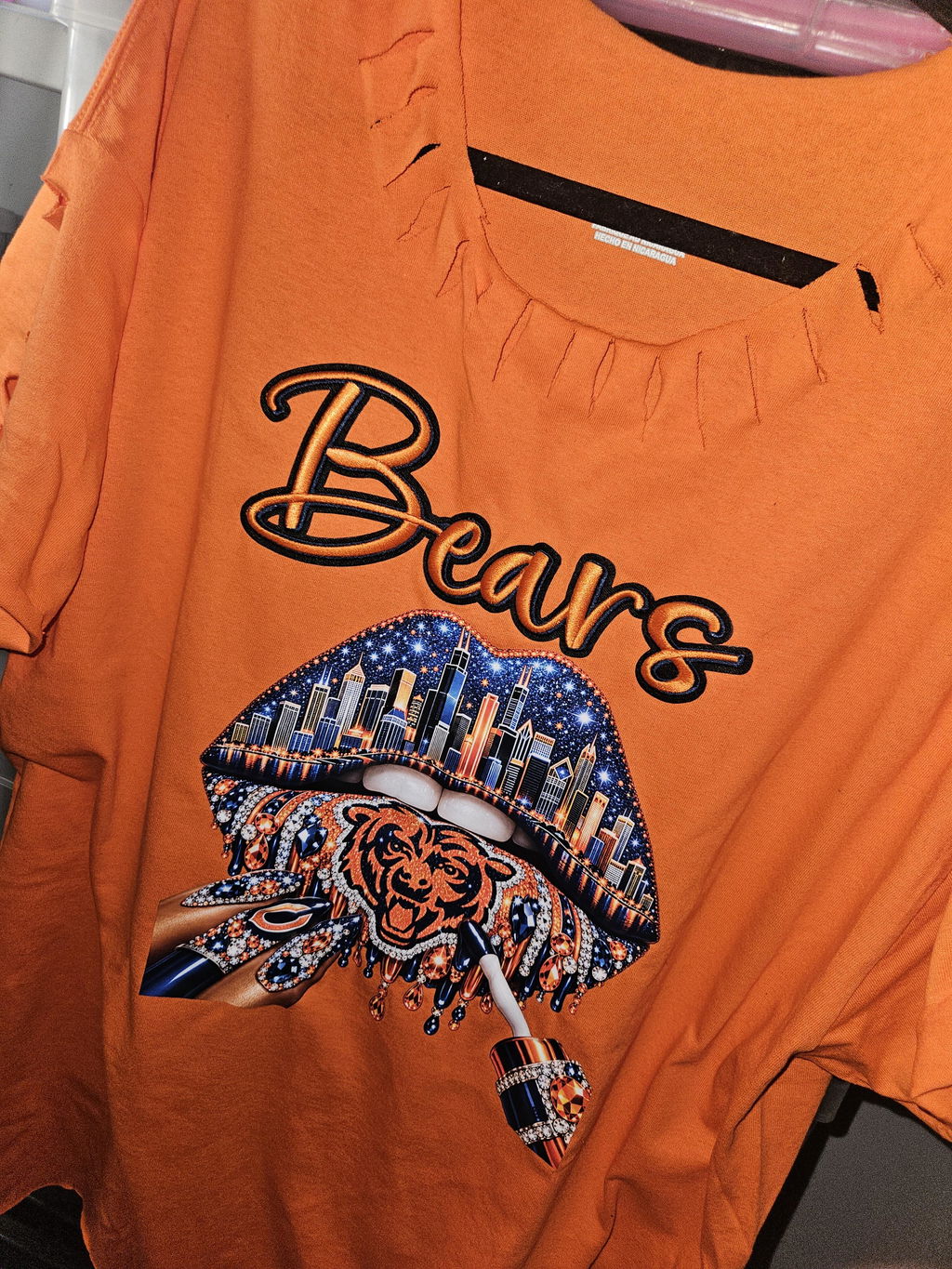
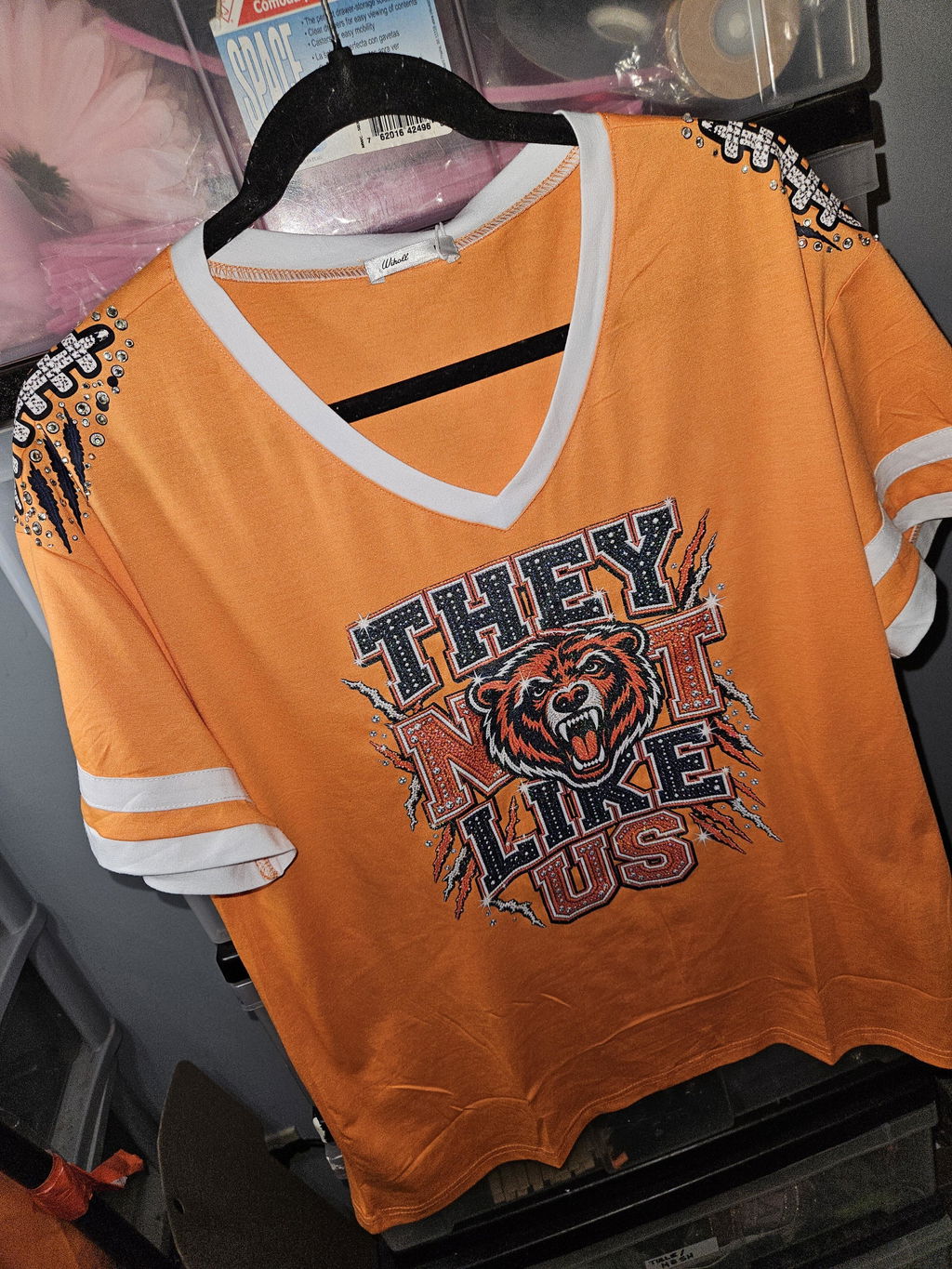
DTF Custom Transfer
DTF Custom Transfer: The Gold Standard for Professional Apparel in 2026
The world of garment decoration has experienced a digital renaissance, and in 2026, DTF Custom Transfer (Direct-to-Film) technology stands at the pinnacle of this movement. For independent creators, growing streetwear brands, and industrial-scale manufacturers, DTF has solved the age-old dilemma of choosing between quality, speed, and cost. This innovative process allows for high-definition, full-color designs to be applied to almost any fabric surface with professional ease and extreme durability.
Why DTF Custom Transfer is the 2026 Industry Choice
As we move through 2026, the demand for hyper-personalized, long-lasting apparel is at an all-time high. DTF Custom Transfer solutions have become the standard for several critical reasons:
1. Unrivaled Detail and Color Depth Traditional methods like screen printing often struggle with gradients, fine lines, and multi-color logos due to high setup costs per color. DTF transfers handle millions of colors and intricate details in a single pass. This ensures your digital vision is translated onto the fabric without losing the sharpness of the original file.
2. Extreme Durability for an Active Lifestyle Modern 2026 adhesive formulations have set new benchmarks for longevity. Professional DTF transfers are engineered to withstand 50+ industrial wash cycles without cracking, peeling, or fading. They offer incredible stretch and recovery, making them perfect for the high-performance demands of the athleisure market.
3. Universal Fabric Compatibility The most powerful feature of the DTF Custom Transfer process is its versatility. While older digital methods are often limited to cotton, DTF bonds flawlessly with polyester, nylon, denim, spandex, and synthetic blends. This allows you to maintain consistent branding across hoodies, jerseys, tote bags, and hats.
To ensure your design fits perfectly on every item, explore our
Technical Innovations: Driving Quality in 2026
The superiority of a DTF Custom Transfer today is the result of significant breakthroughs in chemical engineering. These advancements have made the final product softer and the production process faster than ever before.
-
High-Opacity White Inks: Modern systems utilize specialized white inks that provide 100% opacity. This ensures that colors stay vibrant and true, even when applied to pitch-black fabrics or dark navy uniforms.
-
Elastic TPU Powders: The Thermoplastic Polyurethane (TPU) powders used in 2026 are more elastic. They allow the print to stretch along with the garment fibers and snap back without losing its shape, providing a soft-touch feel that rivals retail standards.
-
Eco-Friendly Formulations: Sustainability is a core focus this year. Professional transfers now utilize water-based, OEKO-TEX certified inks that are safe for all ages and significantly reduce the environmental footprint compared to older solvent-based alternatives.
Scaling Your Brand with Strategic Layouts
For brands looking to scale in 2026, efficiency is the key to profit. The most effective way to utilize DTF Custom Transfer products is through the use of gang sheets. A gang sheet is a layout where multiple designsβsuch as front logos, neck labels, and sleeve graphicsβare nested together on a single roll of film.
By consolidating your designs, you drastically lower your per-print cost. This strategy allows small startups to compete with national brands by reducing material waste and speeding up the heat press application process. When you pair these layouts with the right
Professional Application: The Step-by-Step Workflow
Achieving "apparel brilliance" requires a disciplined application process. Even the highest-quality DTF Custom Transfer can fail if the heat press settings are incorrect.
Step 1: The Fabric Pre-Press Always press your garment for 5 seconds before applying the film. This critical step removes trapped moisture and flattens the fibers, creating an optimal surface for the adhesive to grab hold.
Step 2: Calibrated Heat and Pressure Set your heat press to 300Β°F - 320Β°F (150Β°C - 160Β°C). Apply medium to firm pressure for 12 to 15 seconds. Ensuring your press has even heat distribution is vital to avoid weak spots in the adhesion.
Step 3: The Peeling Process Follow the specific instructions for your filmβwhether it is a "Hot Peel" for speed or a "Cold Peel" for maximum precision. A smooth, steady motion is best to ensure all fine details remain perfectly adhered to the fabric.
Step 4: The Finishing Press After the carrier film is removed, press the design a second time for 5 seconds using a parchment paper or Teflon sheet. This "locks" the ink into the fabric fibers, providing a professional, soft-touch matte finish.
Maintenance and Care for Long-Lasting Apparel
A DTF Custom Transfer is built for the long haul. However, to ensure your custom apparel stays looking new for years, we recommend the following care instructions:
-
Wash Inside Out: This protects the surface of the print from friction during the wash cycle.
-
Cold Water Only: Excessive heat during the wash can eventually weaken the adhesive bond over several years.
-
Low Tumble Dry: While modern prints are dryer-safe, air drying is always the best option for maintaining the photographic quality and vibrancy of the design.
Conclusion: Lead the Fashion Revolution in 2026
The future of apparel is digital, flexible, and high-definition. DTF Custom Transfer technology has democratized the printing industry, giving solo creators the same high-quality production tools once reserved for global corporations. By focusing on quality materials and utilizing efficient strategies like transfers by size, you can build a brand that resonates with the modern consumer.
Ready to take your apparel to the next level? Experience the power of industrial-grade transfers and watch your creative vision come to life with "apparel brilliance."