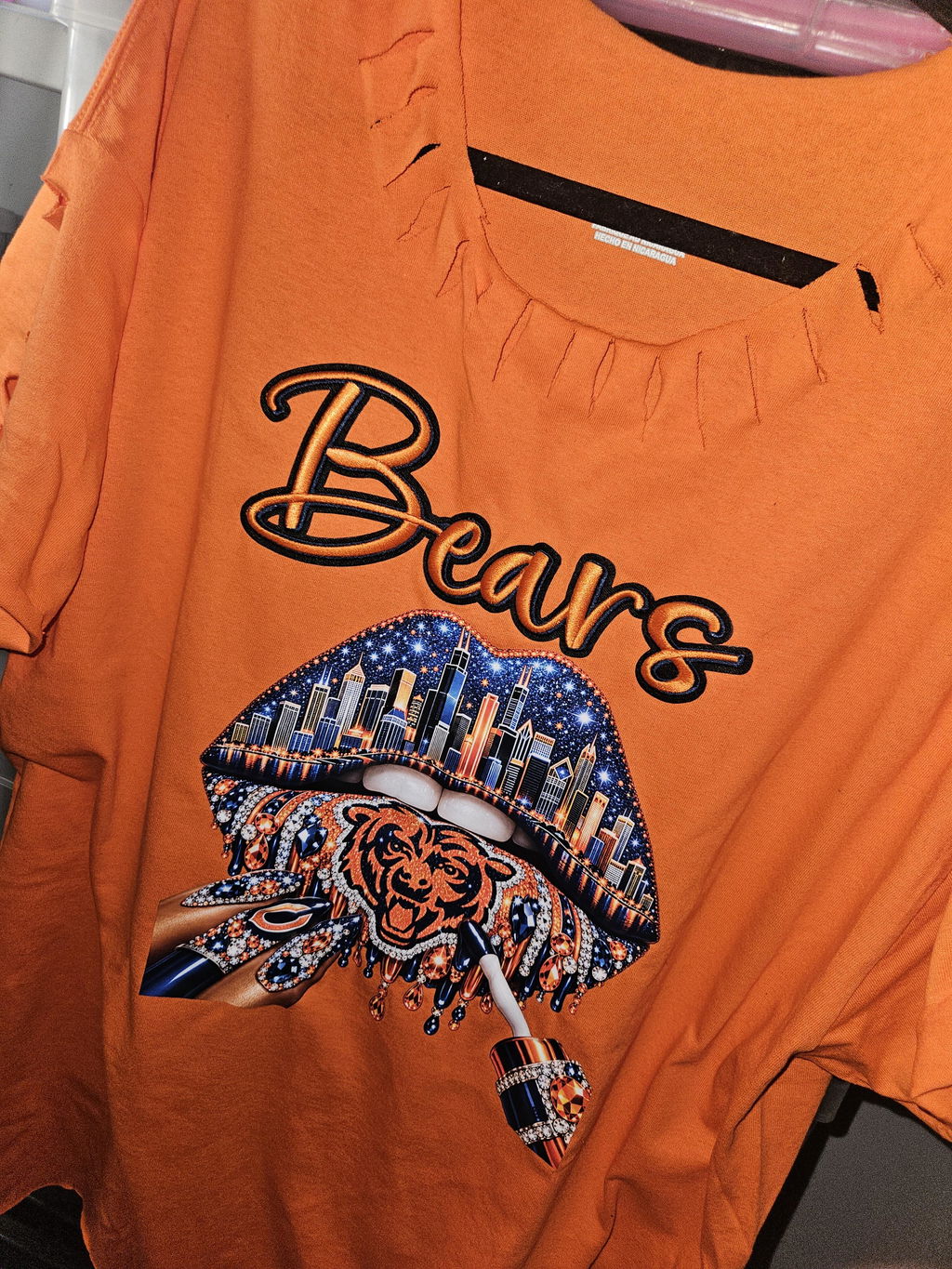
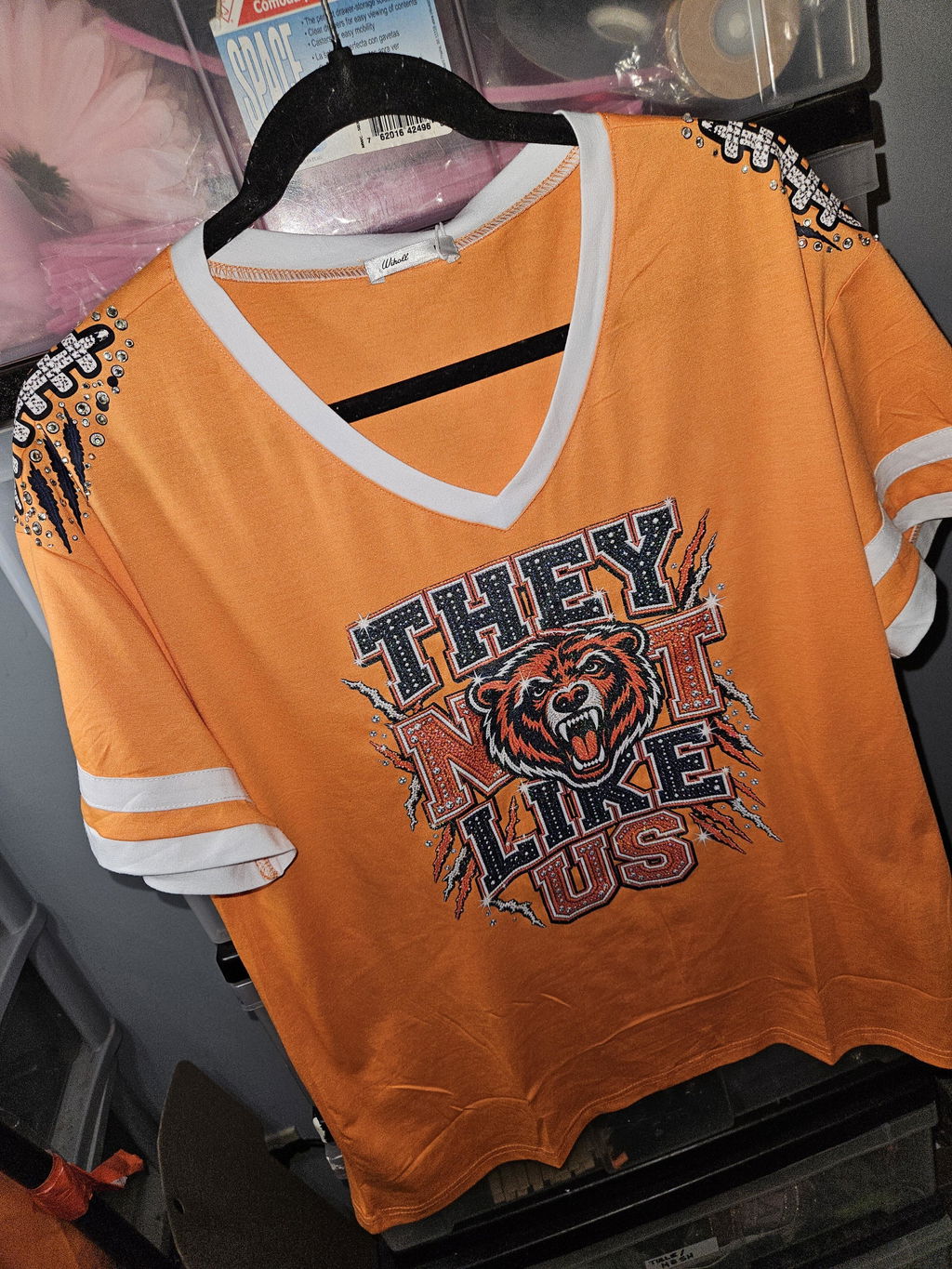
Direct Film Transfer
Direct Film Transfer: The Future of Textile Decoration in 2026
The textile industry has experienced a paradigm shift, and in 2026, Direct Film Transfer (commonly known as DTF) stands as the undisputed leader in apparel customization. This innovative process has bridged the gap between the high-detail capabilities of digital printing and the industrial durability of screen printing. For boutique owners, streetwear designers, and large-scale manufacturers, DTF offers a versatile and cost-effective solution for branding almost any fabric surface.
The core of this technology lies in
Why Direct Film Transfer is the 2026 Industry Standard
As we navigate through 2026, the demand for "on-demand" production has never been higher. Direct Film Transfer has become the primary tool for businesses looking to reduce inventory waste while maintaining high-end quality.
1. Unmatched Color Vibrancy DTF utilizes a high-opacity white ink base that allows colors to remain vivid on any background. Whether you are pressing onto a pitch-black hoodie or a bright neon jersey, the design stays true to its original digital file.
2. Extreme Durability and Stretch Modern 2026 adhesive powders have been engineered for flexibility. These transfers move with the fabric and snap back into place without cracking or peeling. This industrial-grade durability ensures the garment looks new even after 50+ wash cycles.
3. Universal Compatibility One of the greatest strengths of the Direct Film Transfer process is its versatility. While older technologies are often restricted to 100% cotton, DTF bonds perfectly with polyester, nylon, denim, leather, and synthetic performance blends.
To achieve consistent results, using a premium
Technical Breakthroughs: The 2026 Advantage
The technology behind Direct Film Transfer has reached a state of "apparel brilliance" this year. Several technical breakthroughs have made the process faster, cleaner, and more sustainable.
-
Advanced Release Coatings: Our modern
DTF Transfer Film features specialized release coatings that allow for instant "hot peel" or smooth "cold peel" options. This reduces production time by up to 30%. -
Eco-Friendly Ink Chemistry: In 2026, sustainability is a priority. Most professional DTF systems now use water-based, OEKO-TEX certified inks that are safe for the skin and the environment.
-
Fine Line Precision: New printhead technologies allow for the reproduction of fine lines and tiny text that were previously impossible to achieve with traditional heat transfers.
Maximizing Profit with Efficiency
For any apparel brand looking to grow in 2026, efficiency is the key to profit. The most effective way to utilize Direct Film Transfer is through the strategic use of gang sheets. A gang sheet allows you to place multiple different designs onto a single roll of film.
By consolidating your main logos, neck labels, and sleeve graphics onto one sheet, you drastically lower your per-print cost. This strategy allows small brands to offer a wider variety of products without a massive upfront investment in stock. When you pair these efficient layouts with the right
Professional Application: The Step-by-Step Guide
Even with the highest quality transfers, your application technique determines the final outcome. Follow this 2026 professional workflow for a retail-ready finish:
Step 1: The Pre-Press Press your garment for 5 seconds before applying the film. This is a vital step to remove moisture and flatten the fibers. If moisture remains in the fabric, the adhesive cannot form a permanent molecular bond.
Step 2: Calibrated Heat and Pressure Set your heat press between 300°F and 320°F (150°C - 160°C). Apply medium to firm pressure for 12 to 15 seconds. Ensure your press has even heat distribution to avoid "weak spots" in the design.
Step 3: The Peeling Process Depending on your film type, peel while hot or wait until the film has completely cooled. A smooth, steady motion is best to ensure all the fine details remain perfectly adhered to the fabric.
Step 4: The Finishing Press Place a piece of parchment paper or a Teflon sheet over the design and press it again for 5 seconds. This "locks" the design into the fibers and gives the print its final, soft-touch matte texture.
Maintenance and Care for DTF Garments
To ensure your Direct Film Transfer products look vibrant for years, proper wash care is essential. In 2026, we recommend educating your customers on the following routine:
-
Wash Inside Out: This protects the print surface from friction in the washing machine.
-
Cold Water Wash: High temperatures can break down the adhesive bond over several years.
-
Low Tumble Dry: While modern prints are dryer-safe on low heat, air drying is the best way to maintain the photographic quality of the design.
Conclusion: Lead the Fashion Market in 2026
The future of custom apparel is digital, flexible, and high-definition. Direct Film Transfer technology has democratized the industry, giving solo creators the same high-quality production tools as multinational corporations. By focusing on quality materials, efficient layout strategies, and precise application techniques, you can build a brand that resonates with the modern consumer.
Whether you are starting your first clothing line or looking to upgrade your current production, the quality of your foundation determines your success. Experience the power of professional