








Custom Heat Transfer T-Shirts: The Ultimate Guide to Quality Apparel
Creating high-quality garments has never been easier thanks to modern printing technologies.
The flexibility of heat transfers makes them a favorite in the custom apparel industry. You can work with a wide variety of fabrics, including cotton, polyester, and performance blends. This versatility ensures that your creative vision is never limited by the material of the shirt. Modern transfers are designed to be thin and stretchable, moving naturally with the wearer. This "soft-hand" feel is a hallmark of premium quality that customers appreciate.
Enhance your branding options with our specialized
Understanding the Mechanics of Heat Transfer Technology
The process begins with printing your digital artwork onto a specialized carrier film. High-quality inks are used to ensure that the colors remain vibrant even after many washes. A crucial step involves applying a hot-melt adhesive powder to the back of the wet ink. This powder acts as the bridge between the design and the fabric fibers. Once cured under heat, the transfer is ready to be permanently bonded to your T-shirt.
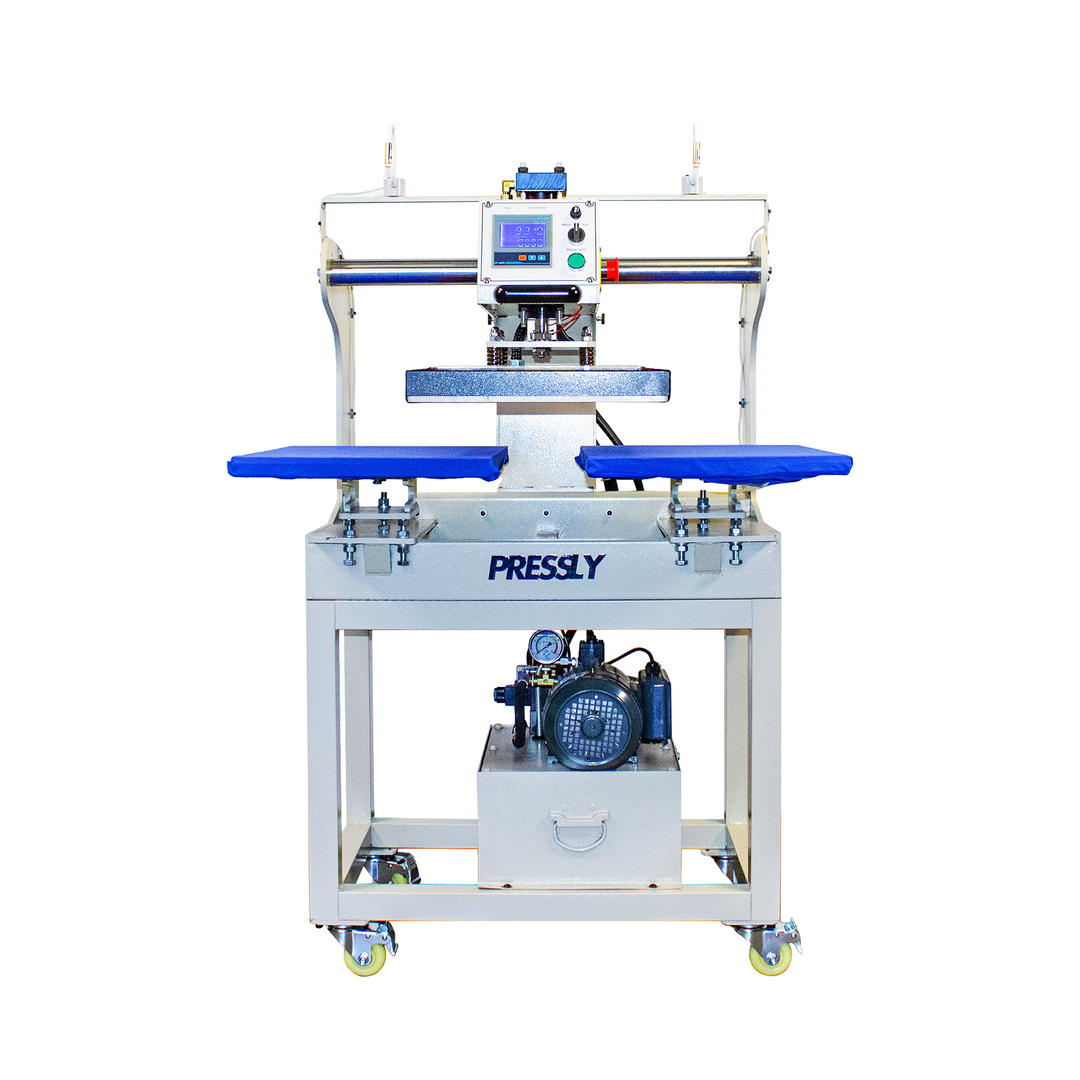
Heat and pressure are the two most important variables in the final application phase. A professional heat press machine ensures that the temperature is distributed evenly across the entire design. This even distribution prevents peeling and ensures the transfer lasts the lifetime of the garment. Digital controls on modern equipment allow for precise adjustments based on the fabric type. Learning the correct settings for each material is the key to achieving retail-grade results every time.
Enhance your branding options with our specialized
Why Custom Heat Transfers Outperform Traditional Methods
Traditional screen printing often requires large minimum orders to be cost-effective. In contrast,
Color accuracy is another area where heat transfers truly shine. Screen printing struggles with gradients and photographic details due to the nature of the ink layers. Digital heat transfers capture every shadow and highlight with photographic clarity. This makes them perfect for complex logos, colorful illustrations, and even high-resolution photos. Your brand will look more modern and professional with the sharp lines and vivid tones provided by this method.
Durability and Longevity in Daily Wear
Many people worry that heat-applied designs might crack or fade quickly. However, advancements in adhesive technology have made modern transfers incredibly durable. High-quality
To maximize the life of your custom shirts, following simple care instructions is helpful. We recommend washing the garments inside out in cold water to protect the design surface. Avoid using harsh bleaches or high-heat drying cycles, which can eventually break down the adhesive. By educating your customers on these steps, you enhance their satisfaction with your products. A long-lasting shirt builds trust and encourages repeat business for your brand.
Choosing the Right Fabric for Your Project
Selecting the appropriate T-shirt material is just as important as the design itself. Standard 100% cotton shirts provide a classic look and excellent breathability for casual wear. They offer a stable surface that allows the heat transfer to bond deeply with the natural fibers. If you are producing athletic gear, moisture-wicking polyester is a better choice. Transfers designed for polyester are formulated to be extra stretchy to handle intense physical activity.
Tri-blends and fleece materials also work beautifully with the right transfer settings. The soft texture of a hoodie requires a transfer that can handle thicker fabric while maintaining detail. Always check the heat sensitivity of your chosen garment before starting a large production run. Some synthetic fabrics may require lower temperatures to avoid "scorching" or leaving press marks. Matching the right transfer type to the right fabric is the secret to a high-end finish.
Scaling Your Business with On-Demand Production
Automation and efficiency are the keys to growing a successful apparel business. The heat transfer model allows you to fulfill orders faster than almost any other method. You can keep a stock of "ready-to-press" transfers and blank shirts in your workshop. When an order comes in, the final application takes less than 30 seconds. This "just-in-time" manufacturing reduces the need for large warehouse spaces and complex logistics.
The ability to offer rapid turnaround times is a major competitive advantage in the e-commerce era. Customers expect their custom orders to ship within days, not weeks. By using high-quality transfers, you can meet these expectations without sacrificing quality. As your volume increases, you can invest in multi-platen heat presses to multiply your output. Scalability is built into the heat transfer workflow, making it perfect for ambitious entrepreneurs.
Creative Possibilities: Beyond the Standard Logo
Don't limit your creativity to just a small chest logo or a center-back design. Modern
Think about how you can use transfers to enhance the overall branding of the shirt. Many designers now print "neck labels" directly onto the inside of the garment using small heat transfers. This replaces itchy woven labels and gives the shirt a professional, custom-manufactured look. These small details show your customers that you care about quality and comfort. Every inch of the T-shirt is a potential canvas for your brand's story.
Ease of Use for Beginners and Professionals Alike
One of the best things about this technology is the low barrier to entry. You don't need a massive factory or years of technical training to start making great shirts. A reliable heat press and high-quality transfers are all you need to get started. Many online resources and communities are available to help you troubleshoot and perfect your technique. As you gain experience, you will learn the "feel" of different fabrics and how they react to heat.
Professional shops also benefit from adding heat transfers to their service menu. It allows them to take on small jobs that would be too expensive for their large screen-printing presses. This versatility ensures that no customer is turned away due to a small order size. Whether you are a hobbyist in a garage or a manager in a large facility, heat transfers simplify the production process. Efficiency leads to higher profit margins and a more sustainable business model.
Conclusion: Elevate Your Apparel Game Today
Investing in
Your brand deserves a production method that can keep up with your imagination. From vibrant colors to complex textures, heat transfers deliver results that speak for themselves. Start focusing on the details that matter and watch your customer base grow. The future of custom apparel is digital, durable, and incredibly detailed. Take the first step toward professional garment decoration and see the difference that high-quality transfers can make.
To stay updated with the latest trends and production tips, you can follow the official Eagle DTF Print Instagram and Eagle DTF Print Facebook pages. These platforms offer a great way to see real-world applications of their high-quality transfers and stay informed about new product launches. You can also find helpful video tutorials and behind-the-scenes content on their Eagle DTF Print YouTube channel, which is dedicated to transforming the world of DTF and UV DTF printing. By engaging with them on Eagle DTF Print TikTok and Eagle DTF Print Pinterest, you gain access to a constant stream of creative inspiration and direct communication for any support or order inquiries. These social accounts serve as a valuable hub for the printing community to connect and share professional insights.
Let customers speak for us
Won’t clog headafter a few days of not being
Won’t clog headafter a few days of not being used
jose zuniga

Premium DTF Ink - White 1 Liter
Great Work!!!
Very helpful and patient. I really like the work they do.
DTF and UV
Anonymous

Build Your DTF Gang Sheet
Honestly, the best money I’ve ever spent on transfers! The 24/7 pickup is GENIUS!
RYAN WAKEFIELD
Eagle DTF Print
The turn around time and quality of the DTF and UVDTF are amazing! I am so happy I found a local shop!
Lydia
Eagle DTF Print
Great Purchase
Working On Third Large Order Love The Ease Of Building A Gang Sheet First Hand And Trusting It Will Be Delivered Correctly Colors Has Matched Perfectly And No Overlap Takes Only A Few Minutes To Cut
Terry

BUILD YOUR UV DTF STICKER GANG SHEET
Very satisfied with the work
Very satisfied with the work, good color, and fast delivery.
Anonymous

DTF Transfer By Size
easy of order process, speedy delivery, a returning customer(Screen Printer 30yr.)
Bruce Anderson
Eagle DTF Print
I had great experiences with Eagle DTF ever since I discovered this company. Fast shipping and option to pickup even after hours is something you won’t find elsewhere. This shop has become my go to for my small business as i always get my order within a day. I highly recommend them!
Jennifer
Eagle DTF Print
Eagle DTF Print delivers amazing quality every time!
The quality of their Build Your DTF Gang Sheet are amazing! The colors are vibrant, the details are crisp, and the transfers press perfectly. Fast turnaround and great customer service. Highly recommend and will use again!
Stephanie Garcia
Build Your DTF Gang Sheet