






Superior Precision: The Ultimate Guide to DTF Film Sheets
The garment decoration industry is moving away from traditional methods toward digital solutions. DTF Film Sheets are at the heart of this transition. This technology stands for Direct-to-Film, a process that creates high-quality transfers for almost any fabric. These sheets act as the carrier for your digital art, holding the ink and adhesive until they are fused to a shirt. Unlike large rolls used in industrial factories, sheets provide flexibility for small shops and individual creators. In this guide, we explore why these specialized sheets are the perfect choice for your custom apparel projects.
Streamline your garment decoration process with our premium
Equip your workspace with our high-performance
What are DTF Film Sheets?
DTF Film Sheets are specialized PET (polyethylene terephthalate) films designed for digital inkjet printing. They are coated with a unique layer that allows them to "hold" wet pigment ink without it spreading. One side of the sheet is usually matte, which is the side you print on. The other side is often glossy or treated to prevent it from slipping in the printer.
These sheets come in various standard sizes, such as A4, A3, and A3+. This makes them compatible with a wide range of desktop and small-format DTF printers. Once the design is printed and the adhesive powder is cured, the sheet becomes a ready-to-press transfer. It is a clean, efficient, and highly detailed way to bring your digital designs to life.
The Benefits of Using Sheets Over Rolls
For many small businesses and hobbyists, DTF Film Sheets offer distinct advantages over large film rolls. While rolls are great for continuous production, sheets are ideal for daily, on-demand tasks.
-
Easier Handling: Sheets fit into standard desktop printers without needing a roll feeder.
-
Reduced Waste: You can print a single design on one sheet without wasting a long section of a roll.
-
Storage Convenience: Sheets stay flat and are easier to store in drawers or folders.
-
Testing Flexibility: You can easily switch between different types of films, such as glitter or reflective sheets.
These benefits make sheets the go-to option for creators working in limited spaces. They allow you to maintain a high level of organization while producing professional-grade merchandise.
Understanding Film Coatings: Hot Peel vs. Cold Peel
When selecting DTF Film Sheets, you will encounter two main types: hot peel and cold peel. The difference lies in when you remove the film from the garment after pressing.
Cold peel sheets require you to let the garment cool completely before removing the film. This method usually provides a very stable bond and a matte finish. Hot peel sheets allow you to remove the film immediately after the heat press opens. This speeds up the production process significantly. Both types offer excellent durability, but your choice depends on your specific workflow and the finish you desire. Most modern professionals keep both types in stock to handle different design requirements.
Achieving Vibrant Colors and Sharp Details
The quality of your final print depends heavily on the surface of the DTF Film Sheets. A high-quality coating ensures that the ink dots stay exactly where the printer places them. This prevents "bleeding," which is when colors run into each other and blur the edges.
Our film sheets are engineered to absorb the perfect amount of white and CMYK ink. This results in colors that pop and fine lines that remain sharp. Whether you are printing a high-resolution photograph or a minimalist logo, the sheet ensures the integrity of the art. When combined with premium inks, these sheets produce a retail-quality look that rivals any major fashion brand.
Compatibility with Diverse Fabric Types
One major reason to invest in DTF Film Sheets is their incredible versatility across materials. Many other transfer methods are limited to 100% cotton or light colors.
DTF transfers created on these sheets bond perfectly with cotton, polyester, and blended fabrics. They even work on difficult materials like nylon, spandex, and leather. This means you can use the same pack of sheets to brand T-shirts, athletic jerseys, and canvas tote bags. The adhesive layer creates a flexible bond that moves with the fabric fibers. This prevents the design from feeling like a stiff plastic sticker on the chest of the wearer.
How to Properly Print on DTF Sheets
Printing on DTF Film Sheets requires a specific technical setup to get the best results. You must ensure you are printing on the coated, matte side of the sheet.
Most creators use specialized RIP (Raster Image Processor) software to manage the ink layers. The printer first lays down the CMYK colors and then covers them with a solid layer of white ink. This white layer acts as a primer, allowing the colors to be visible on dark fabrics. It is vital to maintain a clean environment, as dust or lint on the sheet can cause imperfections in the print. Proper handling of the sheets by the edges also prevents oils from your skin from affecting the ink absorption.
Curing and Pressing for Maximum Durability
Once the design is printed on the DTF Film Sheets, the next step is adding the adhesive. While the ink is still wet, a hot-melt powder is applied over the design.
The sheet is then placed in a curing oven or under a heat press to melt the powder. This turns the powder into a strong, rubbery adhesive layer. To apply the design, you press the sheet onto the garment at approximately 315°F for 15 seconds. If you use high-quality sheets and follow the correct pressing time, the design will be incredibly durable. It can withstand dozens of washes without cracking, peeling, or losing its vibrant color.
Maximizing Efficiency with Multi-Design Sheets
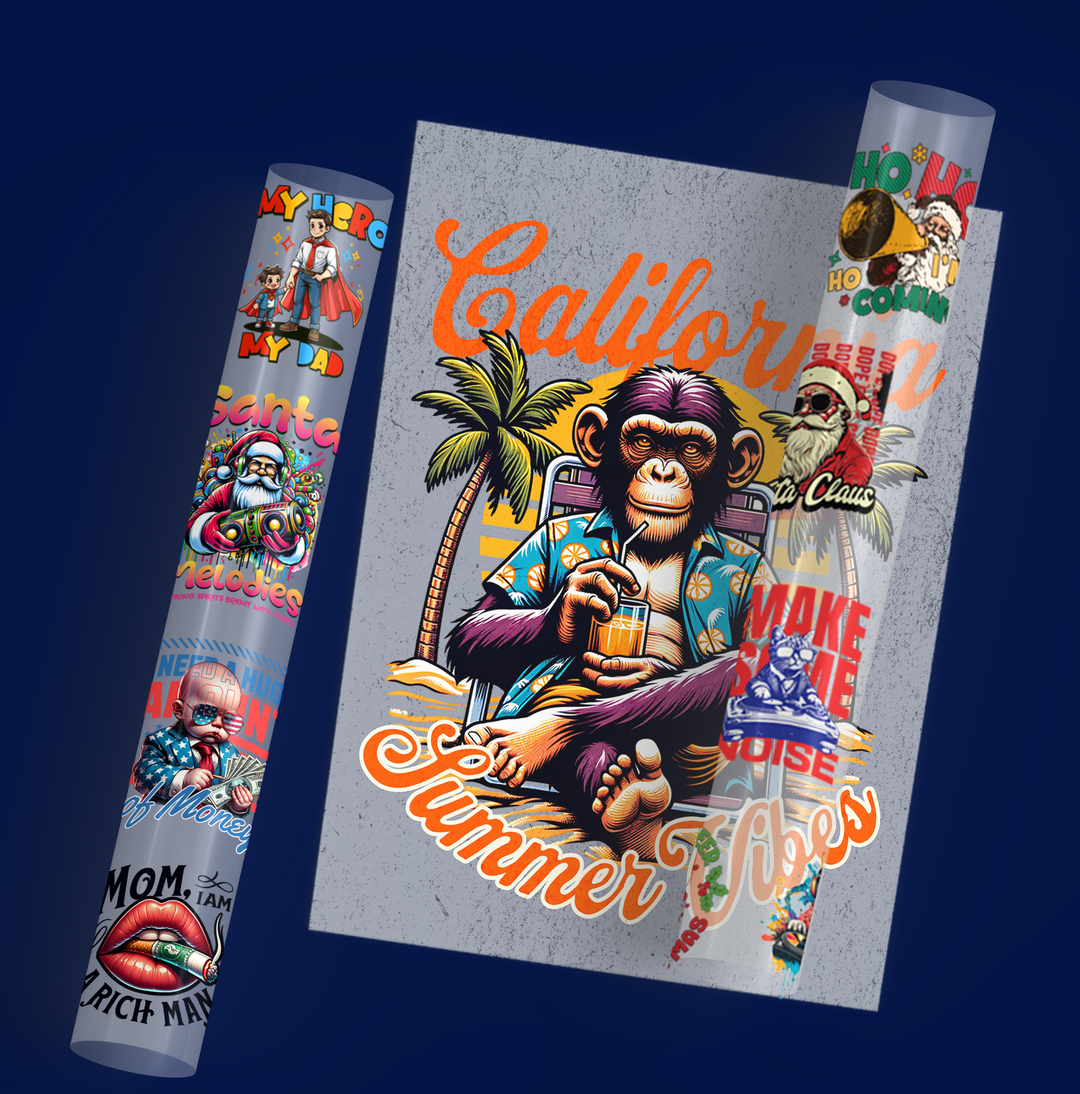
If you want to get the most value from your DTF Film Sheets, consider "gang sheeting." This involves placing several small designs on a single A3 or A3+ sheet.
Instead of printing one logo per sheet, you can fill the entire area with chest logos, sleeve prints, and neck labels. This maximizes every square inch of the film and reduces your cost per print. It is the most efficient way to manage small batch orders for local teams or businesses. Once the sheet is cured, you simply cut the individual designs apart and press them as needed. This organized approach keeps your production fast and your margins high.
Troubleshooting Common Sheet Issues
Even with high-quality DTF Film Sheet, technical issues can occasionally arise. If the ink is "beading" or not sticking, the sheet may have been stored in a humid environment.
Always keep your film sheets in a cool, dry place and inside their original packaging. If the film is difficult to peel, check if you are using a hot peel or cold peel version. If you see white ink peeking out from the edges, you may need to adjust the "choke" settings in your RIP software. Regular maintenance of your printer’s rollers also ensures that the sheets feed through smoothly without slipping. Understanding these small details will help you maintain a consistent and professional output.
Conclusion: Elevate Your Production Quality
DTF Film Sheet are a powerful tool for anyone serious about custom apparel. They provide the perfect balance of professional quality and ease of use. By choosing the right size and coating, you can produce stunning garments that your customers will love.
Whether you are building a full-time brand or working on a passion project, these sheets offer the reliability you need. Focus on high-resolution designs and master the curing process for the best results. The world of digital textile printing is more accessible than ever, and it all starts with a high-quality sheet of film. Take your creativity to the next level and see the difference that professional DTF sheets can make.
To stay updated with the latest trends and production tips, you can follow the official Eagle DTF Print Instagram and Eagle DTF Print Facebook pages. These platforms offer a great way to see real-world applications of their high-quality transfers and stay informed about new product launches. You can also find helpful video tutorials and behind-the-scenes content on their Eagle DTF Print YouTube channel, which is dedicated to transforming the world of DTF and UV DTF printing. By engaging with them on Eagle DTF Print TikTok and Eagle DTF Print Pinterest, you gain access to a constant stream of creative inspiration and direct communication for any support or order inquiries. These social accounts serve as a valuable hub for the printing community to connect and share professional insights.
Let customers speak for us
Won’t clog headafter a few days of not being
Won’t clog headafter a few days of not being used
jose zuniga

Premium DTF Ink - White 1 Liter
Great Work!!!
Very helpful and patient. I really like the work they do.
DTF and UV
Anonymous

Build Your DTF Gang Sheet
Honestly, the best money I’ve ever spent on transfers! The 24/7 pickup is GENIUS!
RYAN WAKEFIELD
Eagle DTF Print
The turn around time and quality of the DTF and UVDTF are amazing! I am so happy I found a local shop!
Lydia
Eagle DTF Print
Great Purchase
Working On Third Large Order Love The Ease Of Building A Gang Sheet First Hand And Trusting It Will Be Delivered Correctly Colors Has Matched Perfectly And No Overlap Takes Only A Few Minutes To Cut
Terry

BUILD YOUR UV DTF STICKER GANG SHEET
Very satisfied with the work
Very satisfied with the work, good color, and fast delivery.
Anonymous

DTF Transfer By Size
easy of order process, speedy delivery, a returning customer(Screen Printer 30yr.)
Bruce Anderson
Eagle DTF Print
I had great experiences with Eagle DTF ever since I discovered this company. Fast shipping and option to pickup even after hours is something you won’t find elsewhere. This shop has become my go to for my small business as i always get my order within a day. I highly recommend them!
Jennifer
Eagle DTF Print
Eagle DTF Print delivers amazing quality every time!
The quality of their Build Your DTF Gang Sheet are amazing! The colors are vibrant, the details are crisp, and the transfers press perfectly. Fast turnaround and great customer service. Highly recommend and will use again!
Stephanie Garcia
Build Your DTF Gang Sheet