индивидуальные теплопередачи

Customized Heat Transfers: The Ultimate Guide to Apparel Branding 2026

Customization is the heartbeat of the modern fashion and branding industry. In 2026, the demand for unique, high-quality, and durable clothing has pushed Customized Heat Transfers to the forefront of textile innovation. Whether you are an entrepreneur launching a streetwear brand or a corporate manager ordering team uniforms, understanding the nuances of heat transfer technology is essential for achieving professional results.

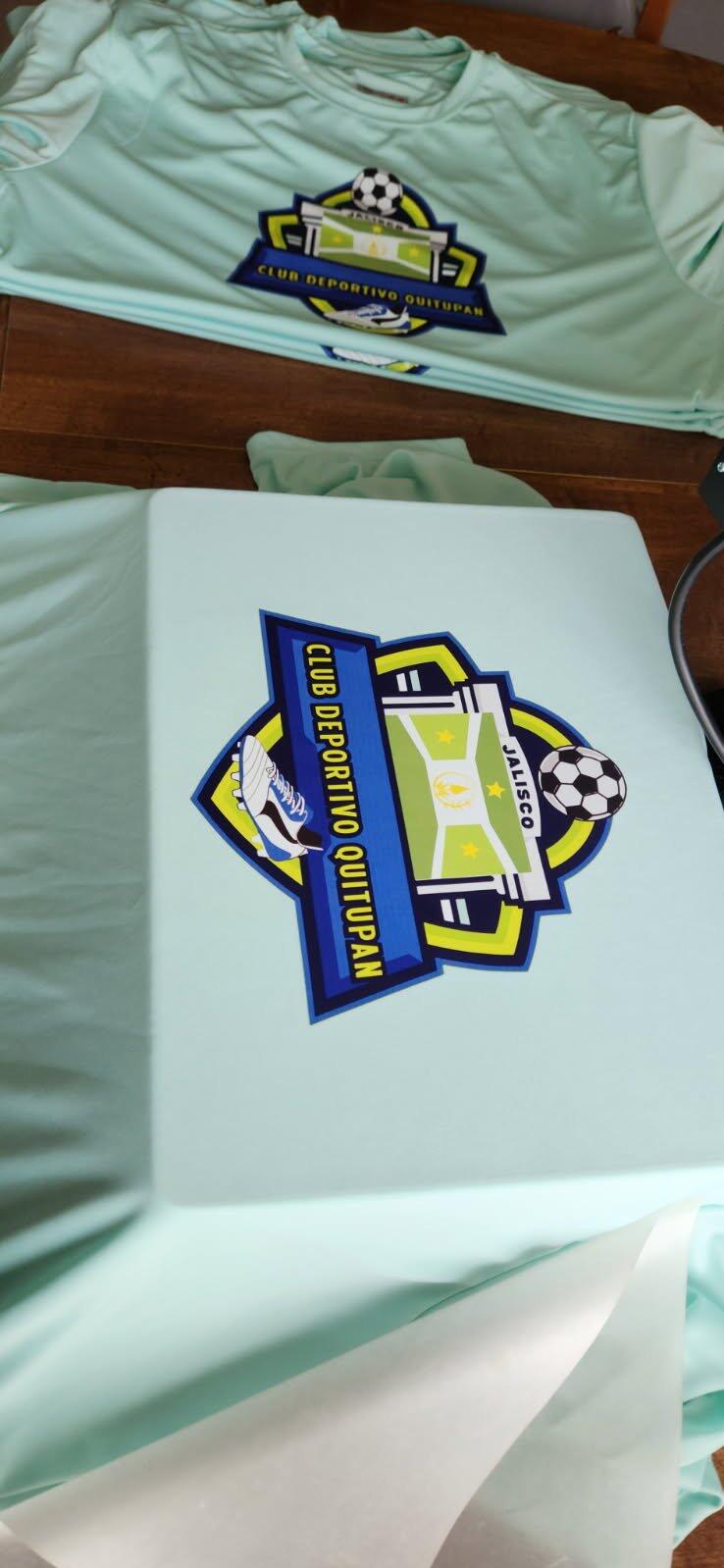
Heat transfer has evolved from simple vinyl stickers to advanced digital solutions like Direct-to-Film (DTF). This technology allows for photographic detail, unlimited color palettes, and a soft-touch finish that bonds seamlessly with various fabrics. By combining these advanced transfers with premium blank t-shirts, you can create retail-ready products that rival global fashion brands.


Why Customized Heat Transfers are the 2026 Standard

The apparel market in 2026 is driven by "on-demand" production. Businesses no longer want to hold massive inventories of pre-printed shirts. Instead, they keep a stock of Customized Heat Transfers and apply them as orders come in.

1. Unrivaled Design Flexibility

Traditional screen printing requires a separate screen for every color, making multi-color designs expensive. Modern heat transfers allow for unlimited colors, complex gradients, and razor-sharp text in a single application.

2. Industrial-Grade Durability

2026 formulations for adhesive powders and inks have solved the "cracking" issues of the past. Professional transfers are now rated for 50+ industrial wash cycles, ensuring the design outlasts the garment itself.

3. Versatility Across Substrates

While older methods were often limited to cotton, today's Customized Heat Transfers bond flawlessly with polyester, nylon, spandex, and even heavy canvas. This makes them the universal solution for hoodies, jerseys, and accessories.


Technical Trends: What’s New in 2026?

The technology behind customized transfers is moving toward more eco-friendly and user-friendly systems. If you are looking to lead the market, keep an eye on these 2026 trends:

  • Low-Temperature Bonding: New adhesive technologies allow for transfers to be applied at temperatures as low as 120°C - 130°C. This prevents "heat press marks" or scorching on sensitive synthetic fabrics like polyester.

  • Eco-Certified Inks: 2026 has seen a surge in OEKO-TEX certified, water-based inks. These are safer for the skin, better for the environment, and provide a much softer feel on the fabric.

  • 3D and Tactile Finishes: Beyond flat prints, customized transfers now include 3D embossed effects, silicone textures, and reflective finishes that add a premium dimension to any garment.


Sizing and Placement Strategy

A customized transfer is only as good as its placement. In 2026, fashion silhouettes have shifted toward oversized fits, which changes how you should size your graphics.

Placement Type Recommended Size (2026 Standard) Best For
Standard Front 10" x 12" Classic retail t-shirts
Oversized Back 12" x 16" Streetwear hoodies and heavy tees
Left Chest 3.5" x 3.5" Corporate polos and staff uniforms
Nape (Neck) 2" x 2" Branding and size labeling

For those looking to build a cohesive brand, using high-quality blank t-shirts ensures that your transfers adhere perfectly and the colors remain consistent across different garment styles.


The Pro-Application Workflow

Achieving "apparel brilliance" requires a disciplined approach to the heat press. Follow this 2026 professional workflow for the best results:

Step 1: Fabric Decontamination

Pre-press your garment for 5 seconds. This is critical to remove trapped moisture and flatten the fibers. Applying a transfer to a damp shirt is the #1 cause of adhesive failure.

Step 2: Alignment and Calibration

Use a laser alignment tool or a t-shirt ruler to ensure your transfer is perfectly centered. Ensure your heat press is calibrated for both temperature and pressure. Modern transfers usually require Medium Pressure (approx. 40-50 PSI).

Step 3: The Critical Press

Press for 10-15 seconds. For 2026 DTF transfers, a "Warm Peel" (waiting 2-5 seconds) often provides the cleanest edges and the most secure bond.

Step 4: The Finishing Press

Never skip this step. After peeling the carrier film, press the design again for 5 seconds using a Teflon sheet or parchment paper. This embeds the ink into the fabric and gives the print its final, soft-touch texture.


Sustainability in Heat Transfers

In 2026, consumers are more conscious of their environmental impact than ever. Customized Heat Transfers are inherently more sustainable than traditional dyeing or screen printing because they produce significantly less water waste.

By using water-based inks and recycled PET carrier films, brands can market their products as eco-friendly. Choosing durable, high-quality blank t-shirts also promotes "slow fashion," as the garments last longer and don't need to be replaced as frequently.


Conclusion: Elevate Your Brand Identity

Customized Heat Transfers are the bridge between a creative idea and a physical reality. In 2026, the technology has reached a point where anyone—from a solo artist to a global corporation—can produce world-class apparel with minimal overhead.

By mastering the application process and choosing the right combination of transfers and premium blank t-shirts, you ensure that your brand stands out in a crowded market. Experience the power of industrial-grade customization and take your apparel to the next level today.


Call to Action

5 Products Available
5 products
Trusted DTF Experts
Same-Day Dispatch
СОЗДАЙТЕ СВОЙ ЛИСТ БАНДЫ DTF СОЗДАЙТЕ СВОЙ ЛИСТ БАНДЫ DTF
-99%

СОЗДАЙТЕ СВОЙ ЛИСТ БАНДЫ DTF

From
$0.05$6.00
DTF БАНДА ЛИСТЫ DTF БАНДА ЛИСТЫ

DTF БАНДА ЛИСТЫ

From
$20.00
DTF БАНДА ЛИСТЫ DTF БАНДА ЛИСТЫ

DTF БАНДА ЛИСТЫ

From
$22.00
DTF БАНДА ЛИСТЫ DTF БАНДА ЛИСТЫ

DTF БАНДА ЛИСТЫ

From
$13.50
ПЕРЕВОДЫ DTF ПО РАЗМЕРУ ПЕРЕВОДЫ DTF ПО РАЗМЕРУ

ПЕРЕВОДЫ DTF ПО РАЗМЕРУ

From
$0.04