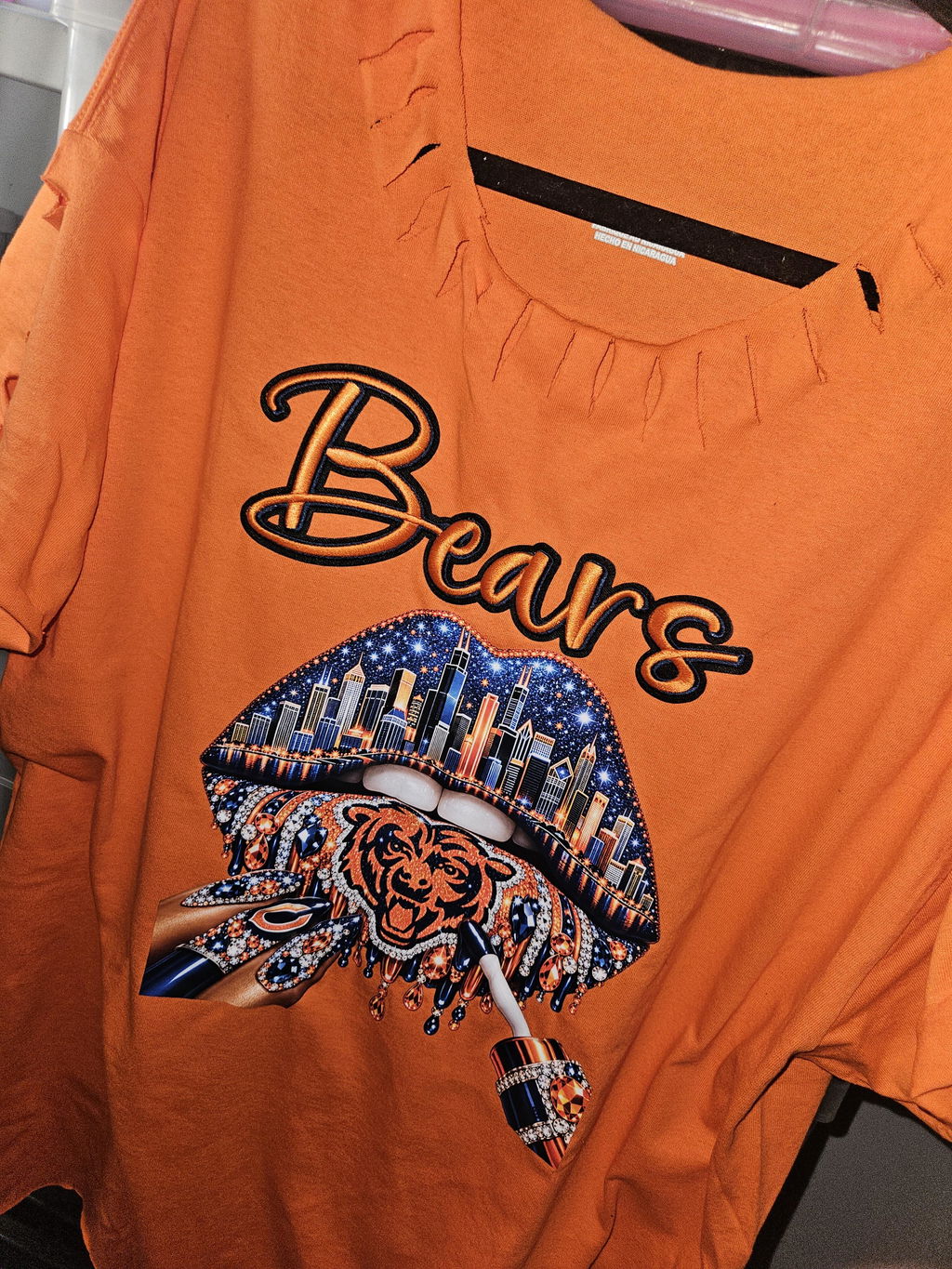
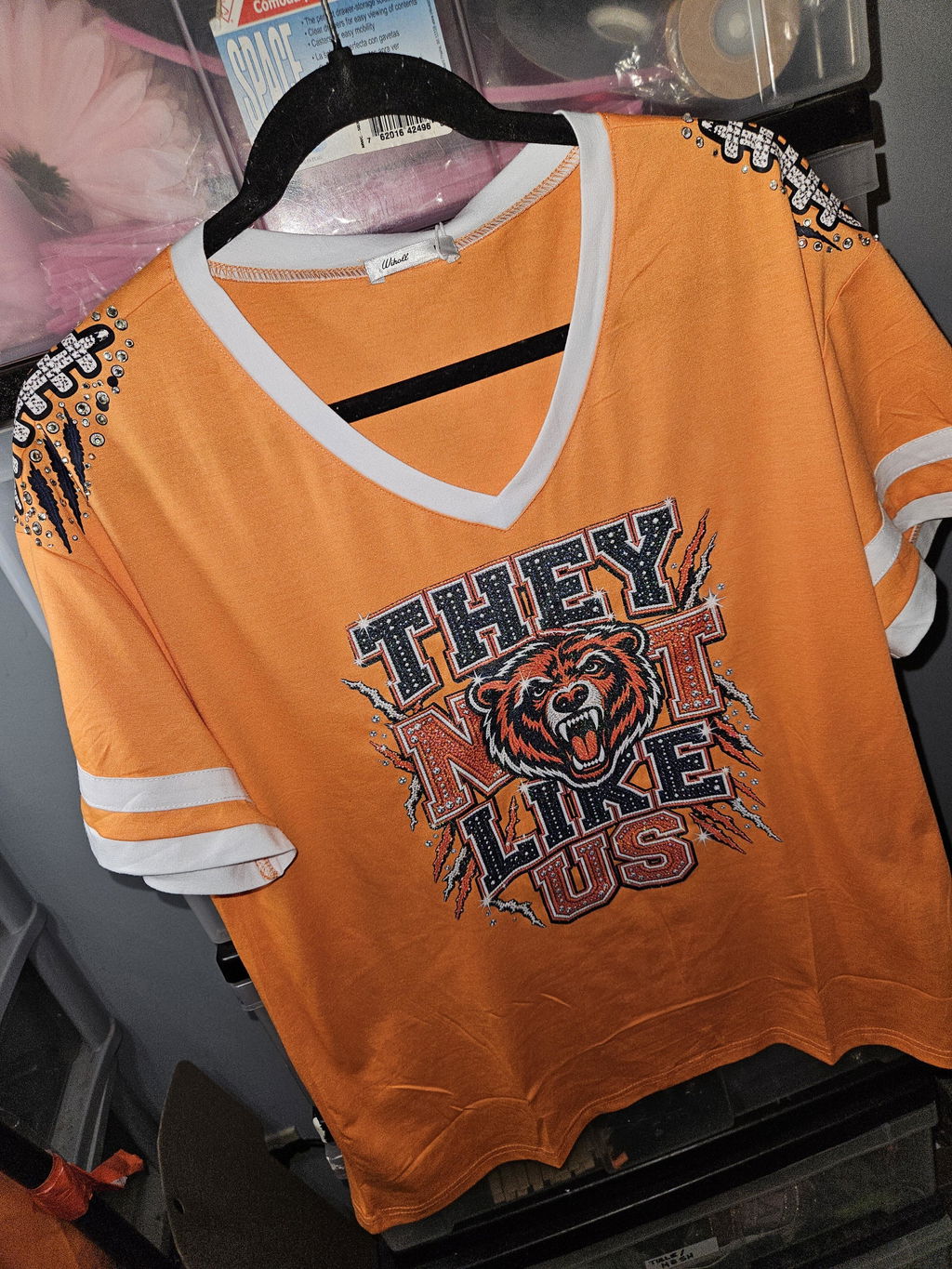
DTF Printing Ink: High-Performance Ink Solutions for Professional Textile Printing
DTF printing ink is one of the most critical components in the Direct-to-Film printing process. Without high-quality ink, even the most advanced printers cannot deliver vibrant, durable, and professional results. Whether you are running a print shop or starting a custom apparel business, choosing the right ink directly affects your output quality and customer satisfaction. To explore complete printing solutions, visit professional DTF printing services and discover reliable options for your production needs.
What Is DTF Printing Ink?
DTF printing ink is a specialized pigment-based ink designed specifically for Direct-to-Film printing systems. Unlike standard inkjet inks, DTF ink is formulated to bond effectively with PET transfer film and adhesive powder, ensuring a strong and durable transfer onto fabric.
Most DTF inks are water-based and contain finely dispersed pigments that provide vibrant colors and long-lasting performance. These inks are engineered to remain stable during printing, transfer cleanly, and maintain flexibility after application.
How DTF Ink Works in the Printing Process
The DTF printing process begins with printing the design onto a PET film using specialized DTF ink. After printing, adhesive powder is applied to the wet ink layer. The film is then cured and transferred onto fabric using heat and pressure.
This process allows the ink to bond with the adhesive and fabric fibers, resulting in prints that are resistant to cracking, fading, and washing.
Types of DTF Printing Ink
DTF printing requires a complete ink system to produce high-quality results. The most common types include:
-
CMYK Inks: Cyan, Magenta, Yellow, and Black inks create full-color images with high accuracy.
-
White Ink: Provides a base layer that enhances color vibrancy, especially on dark fabrics.
-
Specialty Inks: Includes fluorescent or UV inks for unique effects and applications.
White ink plays a crucial role because it ensures that colors appear bright and visible on any fabric color.
Key Benefits of High-Quality DTF Ink
Using premium DTF printing ink offers several advantages for both small and large-scale production:
-
Vibrant Colors: High pigment concentration ensures rich and accurate color output.
-
Durability: Prints remain intact after multiple washes.
-
Flexibility: Ink stretches with fabric without cracking.
-
Wide Compatibility: Suitable for cotton, polyester, blends, and more.
-
Professional Finish: Smooth and detailed prints enhance product quality.
These benefits make DTF ink a preferred choice for modern apparel printing businesses.
DTF Ink vs Other Printing Inks
Compared to traditional inks used in screen printing or direct-to-garment (DTG) printing, DTF ink offers greater versatility. It allows printing on a wide range of materials without requiring fabric pre-treatment.
Additionally, DTF ink provides better color consistency and detail reproduction. This makes it ideal for complex designs, gradients, and photographic prints.
Applications of DTF Printing Ink
DTF printing ink is widely used in the textile and promotional product industries. Common applications include:
- Custom t-shirts and hoodies
- Sportswear and team uniforms
- Corporate branding and merchandise
- Fashion and streetwear collections
- Promotional products and giveaways
To explore ready-to-use transfer solutions, visit DTF transfer collection and discover high-quality designs.
Factors to Consider When Choosing DTF Ink
Selecting the right DTF ink is essential for achieving consistent results. Consider the following factors:
- Compatibility with your printer model
- Pigment quality and color accuracy
- White ink stability and circulation
- Drying and curing performance
- Resistance to clogging and sedimentation
Using incompatible or low-quality ink can lead to issues such as clogging, poor adhesion, and faded prints.
Best Practices for Using DTF Ink
Proper handling and maintenance are crucial for maximizing ink performance:
- Shake white ink regularly to prevent settling
- Store ink in a cool and dry environment
- Perform routine printer maintenance
- Use ink within recommended shelf life
- Run test prints before large production runs
These practices help maintain print quality and extend the lifespan of your equipment.
Common Issues and Solutions
Although DTF printing is highly efficient, certain issues may arise if the ink is not handled properly:
-
Clogged Printheads: Caused by dried or poor-quality ink
-
Color Fading: Due to low pigment concentration
-
Poor Adhesion: Result of incorrect curing or low-quality adhesive
-
Ink Separation: Occurs when ink is not properly mixed
Using high-quality ink and following proper procedures can prevent these problems.
Future of DTF Printing Ink
The DTF printing industry continues to evolve with advancements in ink technology. New formulations are being developed to improve color vibrancy, reduce clogging, and enhance environmental sustainability.
As demand for custom apparel grows, DTF ink will remain a key component in delivering high-quality and efficient printing solutions.
Conclusion
DTF printing ink plays a vital role in the success of Direct-to-Film printing. Its ability to deliver vibrant colors, strong adhesion, and long-lasting durability makes it an essential investment for any printing business.
By choosing high-quality ink and following best practices, you can achieve professional results and scale your production efficiently. Explore advanced solutions at Eagle DTF Print and take your printing business to the next level.