DTF Film Printer: The Definitive Production Powerhouse of 2026
The apparel decoration industry has undergone a monumental shift, and in 2026, the DTF Film Printer stands as the ultimate solution for high-volume customization. Direct-to-Film (DTF) technology has effectively bridged the gap between the speed of industrial screen printing and the intricate detail of digital graphics. For business owners in the textile sector, investing in a professional-grade printer is no longer just an upgradeβit is a strategic necessity to survive in the "on-demand" economy.
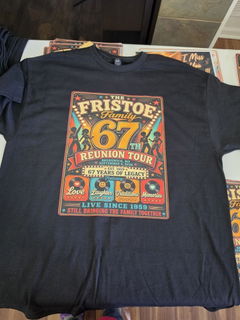
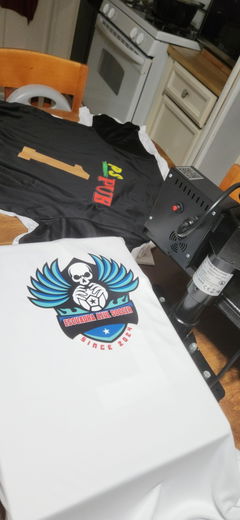
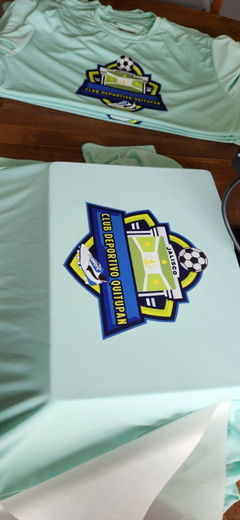
The concept of inkjet printing has been adapted into a dual-layer system that is specifically designed for fabric. A modern DTF printer works by depositing CMYK pigments followed by a robust layer of white ink onto a specialized PET film. This allows the design to be transferred to any fabric color or type with perfect opacity and vividness. By integrating a high-performance machine like the P604 DTF Printer into your workflow, you can achieve "apparel brilliance" while significantly reducing your production costs.
Why the DTF Film Printer is the 2026 Industry Standard
As we navigate the competitive fashion landscape of 2026, the DTF Film Printer has become the primary tool for several critical reasons:
1. Unmatched Versatility Across Fabrics Unlike Direct-to-Garment (DTG) systems that are largely restricted to cotton, a DTF printer allows you to branch out. You can print for polyester activewear, nylon windbreakers, heavy denim, and even leather accessories. This versatility opens up multiple revenue streams from a single investment.
2. Superior Detail and Color Gamut Traditional screen printing requires a separate setup for every color, making complex gradients nearly impossible. A digital DTF Film Printer handles millions of colors in a single pass. It captures razor-sharp fine lines and photographic textures that were previously unattainable in the heat transfer world.
3. Cost-Effective "On-Demand" Production With the rise of e-commerce, the era of massive inventories is ending. The P604 DTF Printer allows you to print exactly what you need, when you need it. This reduces material waste and allows for rapid prototyping of new clothing lines without expensive setup fees.
Technical Excellence: The P604 DTF Printer Advantage
In 2026, the hardware behind the print determines the success of the brand. The P604 DTF Printer represents the pinnacle of current engineering, offering features that ensure consistent, retail-ready results.
-
Advanced Printhead Technology: The P604 utilizes high-frequency printheads that deliver microscopic droplet precision. This ensures that even the smallest text in a logo remains legible and crisp.
-
White Ink Circulation Systems: A major challenge of the past was ink clogging. Modern 2026 printers feature continuous white ink agitation and circulation. This keeps the pigment in a fluid state, drastically reducing maintenance downtime and head cleanings.
-
Integrated Shaker and Dryer Compatibility: The P604 is designed to work seamlessly with automatic powder shakers and infrared curing ovens. This creates a fully automated "roll-to-roll" production line that requires minimal manual intervention.
Maximizing Profit with Efficiency
The most effective way to utilize a DTF Film Printer in 2026 is through the "Gang Sheet" method. This strategy involves nesting multiple designs together on a single roll of film to maximize every square inch of the substrate.
By using high-speed equipment like the P604 DTF Printer, you can produce hundreds of logos in an hour. This efficiency brings your "per-print" cost down to just cents, allowing for high profit margins even on small retail orders. Whether you are producing neck labels, sleeve hits, or full-back graphics, the digital workflow ensures that no film or ink is wasted.
Professional Workflow: From Screen to Fabric
Achieving industrial-grade durability with your DTF Film Printer requires a disciplined approach to the production cycle. Follow this 2026 professional standard for the best results:
Step 1: Digital Optimization Ensure your artwork is formatted at 300 DPI with a transparent background. Use professional RIP software to manage color profiles and white ink underbase density.
Step 2: The Precision Print Load your PET film into the P604 DTF Printer. The machine will apply the CMYK layer first, immediately followed by the white ink layer which acts as the "canvas" and the "glue" for the design.
Step 3: Powdering and Curing Apply the thermal adhesive powder while the ink is still wet. Pass the film through a curing oven to melt the powder into a permanent adhesive gel.
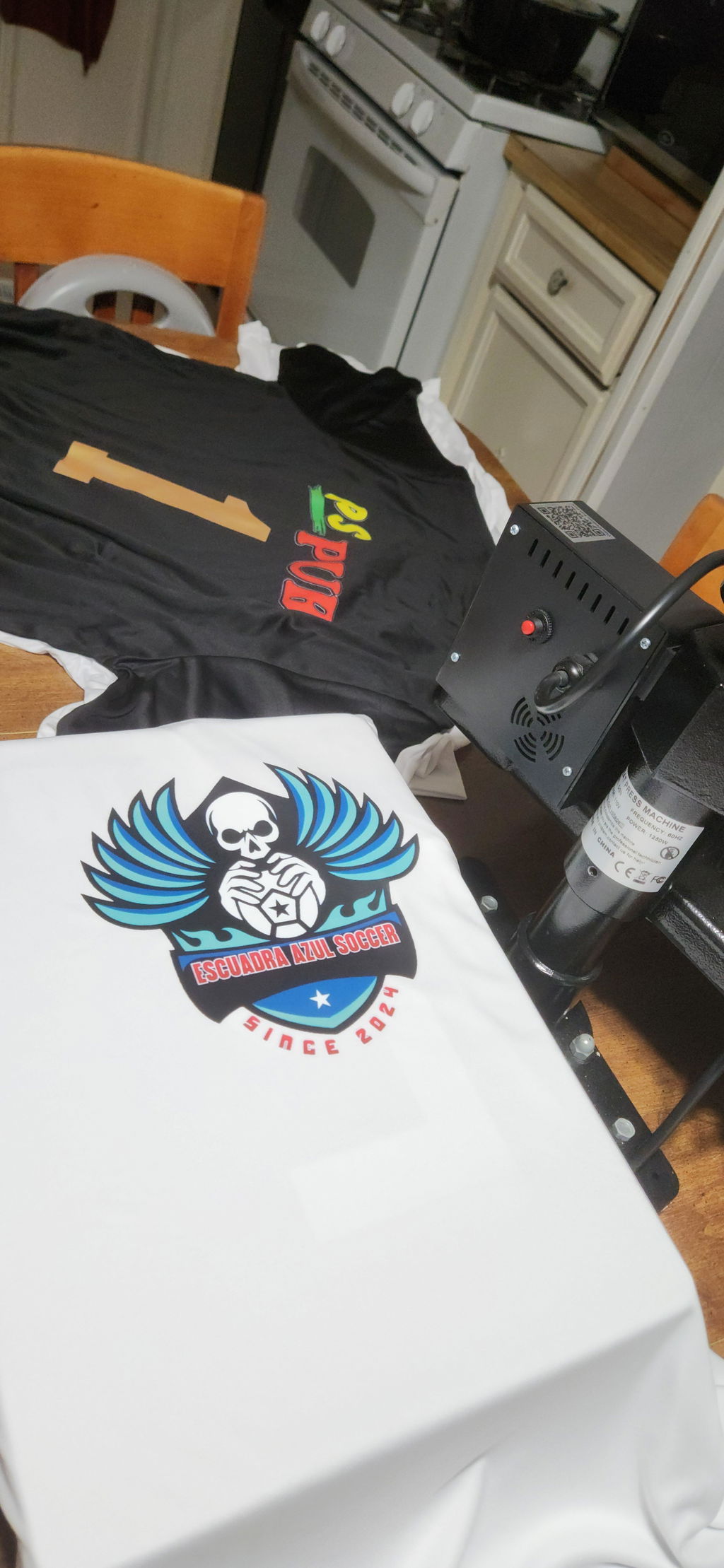
Step 4: The Final Transfer Press the design onto the garment at 310Β°F to 320Β°F for 12 to 15 seconds. After peeling the film, perform a 5-second "finishing press" to lock the design into the fibers and achieve a professional matte finish.
Maintenance: Protecting Your Investment
In 2026, the longevity of your DTF Film Printer depends on routine care. Modern machines are more resilient, but they still require attention:
-
Daily Nozzle Checks: Run a quick test every morning to ensure all channels are firing correctly.
-
Environmental Control: Keep your print room between 40% and 60% humidity. This prevents the ink from drying too quickly in the heads and reduces static on the film.
-
Genuine Consumables: Always use inks and films that are compatible with the P604 DTF Printer to ensure the warranty remains valid and the output remains consistent.
Conclusion: The Future of Apparel Brilliance
The DTF Film Printer has democratized the fashion industry. In 2026, a solo entrepreneur can produce the same high-quality garments as a global corporation. By choosing a machine that prioritizes reliability and precision, such as the P604 DTF Printer, you are building a foundation for long-term growth and creative freedom.
Experience the power of high-definition digital printing and take your brand to the next level. The future of custom apparel is faster, more vibrant, and more efficient than ever before.
Take Action Today