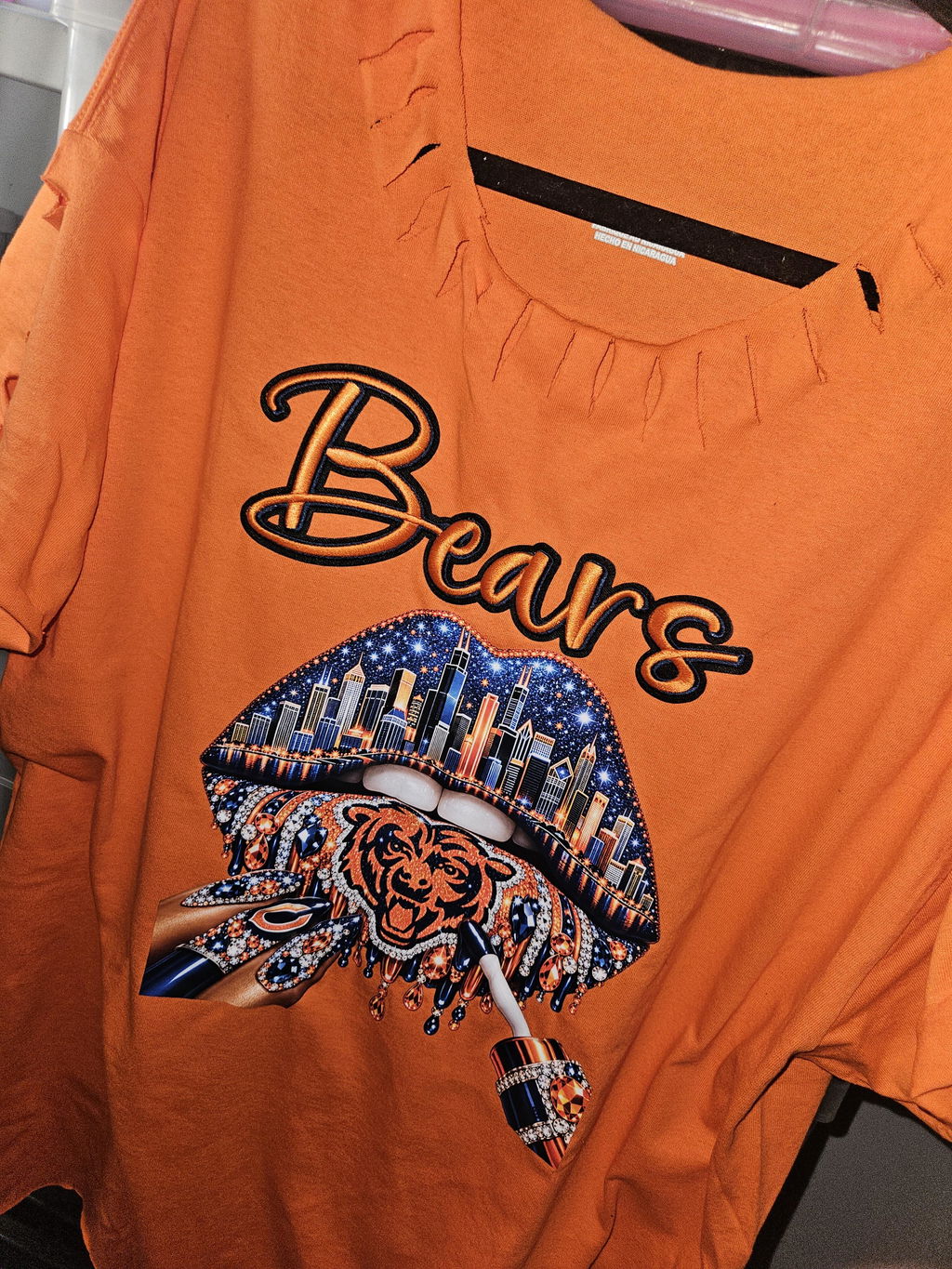
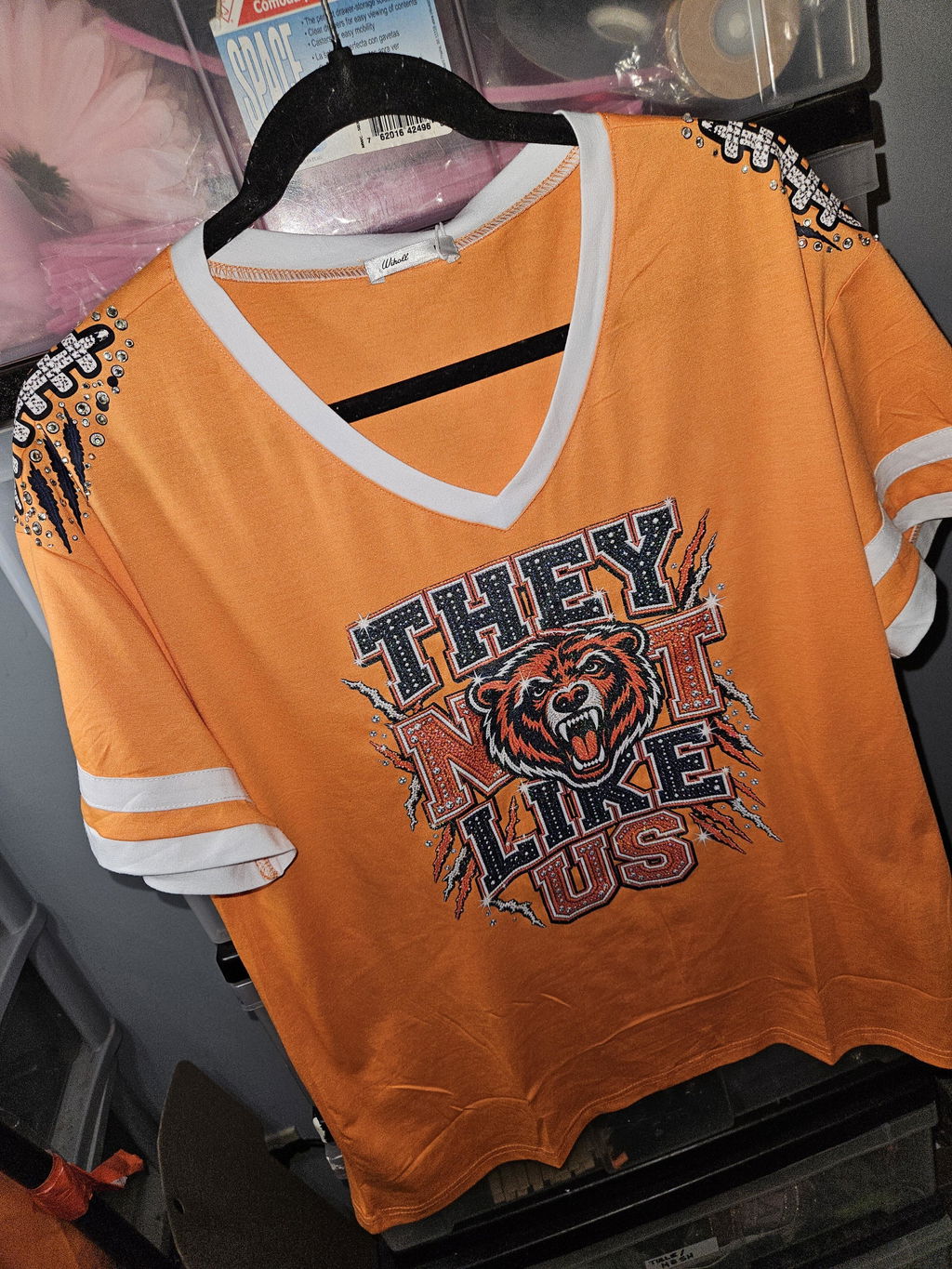
Custom Sublimation Transfers
Custom Sublimation Transfers: The Definitive Guide to High-End Apparel 2026
The textile decoration industry has seen remarkable shifts in 2026, where durability and color depth are the primary demands of the consumer. Among the most trusted methods for creating vibrant, permanent graphics is the use of Custom Sublimation Transfers. This process has become the gold standard for high-performance activewear, personalized gifts, and soft signage. By turning ink into a gas that bonds directly with fabric fibers, sublimation creates a finish that is physically impossible to feel, yet visually striking.
The science of
Why Custom Sublimation Transfers Lead the 2026 Market
In the competitive landscape of 2026, businesses are looking for ways to offer premium products without the high overhead of traditional dyeing. Custom Sublimation Transfers offer several unique advantages that make them a staple for modern decorators.
1. Permanent, Breathable Results Because the ink is infused into the fibers, the fabric remains completely breathable. This is why professional sports jerseys and moisture-wicking athletic gear exclusively use sublimation. There is zero "hand-feel," ensuring maximum comfort for the wearer during physical activity.
2. Unlimited Color Spectrum Sublimation allows for the reproduction of complex photographs and intricate digital art with perfect clarity. You are not limited by the number of colors in your design. Whether it is a subtle gradient or a vibrant neon landscape, the transfer captures every detail exactly as it appears on the screen.
3. Cost-Effective for Small Runs In 2026, the ability to produce a single custom item is vital for e-commerce success. Sublimation requires no expensive screens or complex setups. This makes it the most efficient way to handle personalized orders and small-batch "limited edition" drops.
While sublimation is a specialized field, many modern shops are now integrating it alongside other digital methods. For those using hybrid systems or looking to expand their production capabilities, high-quality
Technical Requirements: The Role of Polyester
To achieve the best results with Custom Sublimation Transfers, the chemistry of the substrate is critical. In 2026, the "poly-content" rule is still the most important factor for success.
-
High Polyester Count: For the most vibrant results, a garment must have at least 65% polyester. A 100% polyester garment will yield the brightest, most permanent colors.
-
Fabric Color: Sublimation ink is transparent. Therefore, it is designed for white or very light-colored fabrics (like light gray or cream). If you apply a blue transfer to a yellow shirt, the final result will appear green.
-
Poly-Coated Hard Goods: Beyond apparel, sublimation is used for mugs, phone cases, and aluminum sheets. These items must have a special polyester coating to allow the ink to bond correctly.
Innovations in 2026 Sublimation Inks
The chemistry of sublimation inks has reached new heights this year. Modern 2026 formulations are more stable and offer a wider "color gamut" than ever before.
-
Eco-Friendly Formulations: Most professional sublimation inks are now water-based and free from harmful chemicals. This makes the finished products safe for children and environmentally conscious consumers.
-
Fast-Drying Technology: Newer inks dry almost instantly on the transfer paper. This prevents "ghosting" or smudging during the heat press process, leading to a much lower waste rate in production.
-
Fluorescent Options: 2026 has seen a surge in fluorescent sublimation inks. These allow brands to create safety gear and rave-wear that glows under UV light, adding a high-tech dimension to custom apparel.
For those operating multi-purpose workshops, maintaining your equipment with premium
The Professional Application Process
Applying Custom Sublimation Transfers requires precision in heat and time. Because you are dealing with a chemical reaction (sublimation), small errors can lead to "dull" colors or blurry edges.
Step 1: Alignment and Heat Tape Position your transfer face down on the garment. Use heat-resistant tape to secure it in place. If the paper moves even slightly during the press, it will cause a "ghosting" effect where the image appears blurred.
Step 2: The High-Heat Press Sublimation requires much higher temperatures than standard heat transfers. Typically, you must press at 400Β°F (204Β°C) for 45 to 60 seconds. This high heat is necessary to turn the solid ink into a gas.
Step 3: Immediate Removal Once the timer is up, remove the transfer paper immediately in one swift motion. This prevents the gas from settling back into the paper and causing a double-image on your fabric.
Maintaining Quality: Avoid Common Pitfalls
Even with the best Custom Sublimation Transfers, production errors can occur if you don't follow 2026 industry standards.
-
Pressure Management: Using too much pressure can cause "press lines" on polyester fabric. Use a foam heat-press pillow to distribute the pressure evenly and avoid leaving permanent marks on the garment.
-
Moisture Control: Polyester can trap moisture. Always pre-press your garment for 5 seconds to ensure the fabric is completely dry before applying the transfer.
-
Protective Sheets: Always use butcher paper or parchment paper both inside the shirt and on top of the transfer. This prevents ink from "bleeding" through to the back of the shirt or onto your heat press platen.
Conclusion: The Future of High-Definition Fashion
Custom Sublimation Transfers remain an unbeatable solution for creators who prioritize color intensity and durability. In 2026, the ability to create apparel that never fades is a powerful selling point. By mastering the technical requirements and choosing the best materials, you can deliver products that represent the pinnacle of "apparel brilliance."
Whether you are focusing on the athletic market or personalized home decor, the quality of your ink determines your success. Pair your sublimation expertise with the right