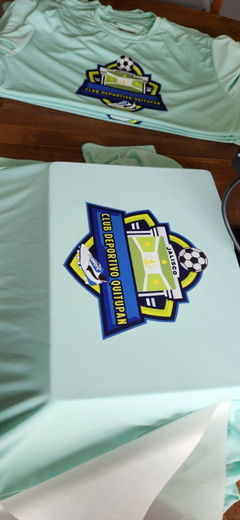
Print DTF Near Me
Print DTF Near Me: Finding the Fast Local Custom Apparel Partners
Are you searching for a reliable method to print custom apparel without long shipping delays or high minimum order limits? Looking for a local partner to print DTF near me is the single fastest way to secure high-quality heat transfers for urgent projects. Direct-to-film engineering has completely transformed how independent apparel brands, local sports leagues, and corporate event organizers manage their merchandise workflows. This flexible technology allows you to bypass screen setup costs entirely and print highly detailed, full-color graphics on demand.
The modern custom clothing and fast-fashion markets operate on exceptionally tight timelines. Delivering crisp vector boundaries, sharp photographic gradients, and long-lasting fabric prints requires advanced machinery and premium raw materials. Connecting with an efficient, professional supplier guarantees that your business saves time, reduces production waste, and captures high-margin local orders easily during chaotic seasonal rushes.
Why Local Digital Transfer Sourcing Saves Your Business Capital
Many independent clothing designers start their manufacturing journey by relying on overseas wholesale operations to save money on initial unit costs. While overseas bulk manufacturing can be helpful for massive stock runs, it introduces major supply chain risks. Long transit times, unexpected custom customs delays, and communication barriers across time zones can cause you to miss tight delivery windows for local events. Furthermore, correcting a simple printing error on an overseas order can take several weeks, completely disrupting your business schedule.
Sourcing your direct-to-film transfer sheets from a local or domestic fulfillment center protects your cash flow and eliminates delivery stress. Rapid regional production allows you to adopt a strict print-on-demand strategy, meaning you only press garments when customers buy them.
If you need a reliable domestic partner to deliver retail-grade graphics right to your doorstep with rapid turnaround times, we have you covered. To explore a massive variety of vibrant, high-opacity graphics that offer incredible color saturation and high stretch durability, view our comprehensive DTF Transfers selection. This single-source supply model keeps all your seasonal custom branding assets perfectly synchronized without requiring expensive internal hardware.
Technical Indicators of Commercial-Grade Digital Transfers
Understanding the mechanical and chemical composition of premium heat transfers helps your business choose the right production hub. Let us look at the essential elements that professional apparel decorators analyze when reviewing film transfer quality.
1. High-Density Micro-Filtered Pigment Chemistry
Elite printing facilities utilize advanced, micro-filtered digital textile inks designed for heavy-duty industrial printheads. These pigments offer an incredibly wide color gamut, reproducing vibrant neon colors and deep dark tones accurately. The white ink foundation layer is specifically engineered with high opacity to prevent dark garment fibers from bleeding through your bright illustrations.
2. Specialized High-Release Matted PET Films
The clear film carrier plays a vital role in protecting your fluid ink layers before heat pressing. Premium shops use double-sided matted PET sheets that include specialized anti-static backings. These advanced coatings prevent loose adhesive powder from sticking to unprinted sections, ensuring crisp graphic edges. They also release the cured design smoothly during the peeling phase, whether you choose rapid hot-peel or stable cold-peel speeds.
3. Flexible Thermoplastic Polyurethane Powders
The hot-melt adhesive powder is the glue that creates a permanent mechanical bond with the underlying fabric fibers under heat. Premium fine-grain or medium-grain TPU powders melt uniformly under infrared heat fields within seconds. This advanced polymer engineering ensures your finalized graphics remain flexible, soft, and highly resistant to cracking or peeling when stretched during daily wear.
Comparing Regional Turnaround Times and Logistical Workflows
Matching your production logistics to your customer demand keeps your custom clothing center highly efficient. Let us break down how domestic direct-to-film sourcing compares to traditional overseas ordering loops.
| Logistical Metric | Overseas Bulk Sourcing | Local / Domestic Sourcing | Direct Business Impact |
| Standard Delivery Transit | 14 to 21 Business Days | 1 to 3 Business Days Average | Faster order turnarounds |
| Minimum Order Quantity | High Volume Requirements | Zero Minimum Restrictions | Flexible inventory risk |
| Design Error Correction | Weeks to Re-ship Replacements | Overnight Rush Turnaround | Superior customer trust |
| Inventory Storage Needs | Large Warehouse Storage | Small On-Demand Shelving | Drastically lower overhead |
Streamlining Your Shop Production via Gang Sheet Nesting
Are you trying to figure out how high-volume commercial print centers keep custom production costs so low for independent streetwear labels? The secret lies in advanced digital layout nesting, commonly known as creating a unified production gang sheet. This layout method allows you to group several client logos, chest prints, inside neck labels, and custom artwork paths onto a single continuous roll.
Nesting your artwork assets maximizes every square inch of the premium PET carrier film, eliminating empty space and cutting raw material costs. This logistical efficiency drops your individual cost per design dramatically, allowing you to beat local retail pricing effortlessly while locking in high profit margins. To explore how commercial print networks configure these massive high-efficiency layouts, visit the Eagle DTF Print homepage today.
Step-by-Step Pressing Guide for Professional Garment Results
Achieving flawless industrial results with your new multi-image transfer layouts requires disciplined workshop habits. Follow this straightforward production sequence to ensure maximum adhesive longevity on your promotional apparel items.
Pre-Heat the Fabric Base to Evaporate Moisture
Textile fibers naturally absorb invisible ambient moisture from the surrounding workshop air. This trapped moisture can interfere with the hot-melt polymer bonding process if not removed completely. Place your blank garment on the lower press platen and lock it down for 3 to 5 seconds to dry and smooth the fabric.
Position the Cut Transfer and Apply Heavy Pressure
Cut your desired logo away from the continuous sheet using sharp utility shears. Position the ready-to-press film piece over the warm garment with the ink side facing down. Lower your heat press element using firm, heavy mechanical pressure at 300°F to 315°F for 12 to 15 seconds.
Peel the Carrier Sheet and Perform a Second Press
Once the timer rings, open the press plate carefully. If utilizing premium hot-peel media, grab one corner of the carrier film and pull it away smoothly across the garment immediately. To secure maximum wash durability, place a protective sheet over the exposed graphic and press it one final time for 5 seconds.
Diversifying Your Clothing Catalog with Luminescent Innovations
Do you want to secure a major competitive edge when pitching seasonal product designs to event planners and independent fashion labels? Moving past basic matte color profiles lets your agency offer highly unique styling concepts that grab attention instantly in low-light environments.
Offering unique, light-catching merchandise lines helps your commercial clients stand out in crowded marketplace displays. To discover specialized transfer options that absorb ambient light energy and radiate a brilliant luminescent glow in total darkness, explore our comprehensive Glow in the Dark DTF Transfers collection.
Our specialized finish lines maintain elite adhesion power and high stretch durability while offering a memorable visual experience. These specialized options are perfect for evening marathons, concert merchandise booths, safety uniforms, and premium streetwear lines looking to command a premium price tag.
Troubleshooting Common Heat Application Errors
Even when using premium, commercial-grade digital transfer sheets, understanding how to manage environmental variables ensures smooth production shifts.
Fixing Lifting Edges and Fine Text Gaps
If fine character outlines or small text scripts fail to detach cleanly from the clear film carrier, your heat press may lack sufficient mechanical pressure or uniform heat distribution. Check your heating element with an external digital thermometer to ensure there are no cold spots across the surface pad. Try increasing your mechanical pressure clamp slightly or extending your press duration by 3 seconds to cure the adhesive completely.
Eliminating Fabric Scorching and Glossy Heat Rings
Visible scorch marks or shiny ring borders occur when pressing delicate synthetic fabrics, like youth polyester jerseys or performance blend hoodies, at excessively high temperatures. To fix this, drop your operating heat down by 15 degrees and use a protective foam pillow inside the shirt. This adjustment lifts the active design area while protecting the surrounding fabric from direct metal contact.
Best Care Instructions for Long-Lasting Custom Apparel
Educating your retail clients and corporate customers on proper garment care ensures their customized clothing items look brilliant and colorful for years to come. While industrial-grade textile inks are incredibly rugged, implementing simple laundry habits protects design integrity over dozens of wash cycles.
Always Wash the Garment Inside Out
Advise your customers to turn their custom t-shirts and hoodies inside out before placing them into the washing machine. This simple practice shields the applied graphic face from directly rubbing against rough metal zippers, heavy buttons, and abrasive denim fabrics during agitation cycles, preserving fine detail lines.
Use Cold Water Settings and Avoid Chlorine Bleach
High-temperature water settings can slowly break down the chemical bond of thermoplastic polyurethane adhesives over extended periods. Wash your custom apparel in cold water using mild household detergents. Avoid using liquid chlorine bleach or aggressive fabric softeners, and tumble dry on low heat settings to keep the transfer feeling soft and looking brand new.
Final Steps for Advanced Regional Brand Management
Elevating your custom garment company from a small shop to a highly profitable print center requires a careful balance of industrial layout efficiency, disciplined maintenance habits, and premium raw materials. Never compromise on your base printable film sheets to save a quick buck, as low-grade materials always lead to wasted time and high product replacement costs.
Prioritize component suppliers that provide transparent technical specifications, consistent roll dimensions, and stable shelf life ratings. By equipping your printing center with premium, industrial-grade assets, you ensure your clothing line remains highly competitive, remarkably durable, and visually brilliant for seasons to come.
Production Standard: For an in-depth encyclopedic breakdown of digital garment decoration history, custom polymer adhesive chemistry, and industrial printhead engineering, you can read the comprehensive Wikipedia Direct-to-Film Printing documentation.