


Design Without Limits: The Ultimate Guide to Custom Heat Press Transfers
The world of apparel decoration is changing fast. Custom Heat Press Transfers have become the most efficient way to create high-quality clothing. This technology allows you to move designs from a digital screen to a garment with ease. It has replaced older, more restrictive methods like traditional screen printing. Whether you are a small business or a hobbyist, these transfers offer professional results. In this guide, we explore why this method is the future of custom fashion.
Create your custom layouts effortlessly with our UV Gang Sheet Builder, the ultimate tool for maximizing your printing space. This user-friendly interface allows you to arrange multiple designs on a single sheet, reducing waste and lowering your production costs. Perfect for high-quality UV DTF transfers, it ensures every logo and graphic is positioned with precision for a professional 3D-embossed finish. Streamline your workflow and print more for less by organizing your custom branding projects in one efficient layout.
What Are Custom Heat Press Transfer?
A Custom Heat Press Transfer is a design printed onto a special carrier film. This film is then applied to a garment using a heat press machine. The most popular version today is Direct-to-Film (DTF) technology. This process uses high-quality water-based inks and a unique adhesive powder.
Unlike old-fashioned iron-ons, these transfers are very thin and flexible. They bond directly with the fibers of the shirt. This creates a finish that feels soft and looks retail-ready. It is the perfect solution for anyone needing durable and vibrant custom gear.
Key Benefits of Choosing This Technology
Why are so many decorators switching to Custom Heat Press Transfer? The reasons are practical and help businesses grow faster.
-
No Minimum Orders: You can print a single item without high setup costs.
-
Unlimited Color Palette: Digital printing allows for complex gradients and photos.
-
Intricate Details: It captures tiny text and thin lines with perfect clarity.
-
Fabric Versatility: These transfers work on cotton, polyester, and blends.
These advantages allow new brands to launch with very little financial risk. You only produce what you sell, which reduces wasted inventory.
The Professional Production Process
Creating Custom Heat Press Transfers involves a precise digital workflow. First, the design is printed onto a clear PET film in reverse. A layer of white ink is added to ensure colors pop on dark fabrics.
While the ink is wet, a hot-melt adhesive powder is applied. The film then goes through a curing oven to melt the powder. This creates a stable and ready-to-press transfer. When you use a heat press, the adhesive fuses the ink to the fabric. The result is a permanent design that stays vibrant for many years.
Compatibility Across Various Materials
One major strength of Custom Heat Press Transfers is their versatility. In the past, many methods only worked on light-colored cotton.
Today, you can use these transfers on dark hoodies, nylon bags, and even leather. They are perfect for polyester sports jerseys because they resist dye migration. This flexibility allows you to offer a wide range of products to your customers. From hats to canvas totes, the application possibilities are nearly endless. You can maintain a consistent brand look across your entire product line.
Durability and Wash Resistance
Customers always ask how long Custom Heat Press Transfers will last. Modern technology has made them incredibly resilient. When applied correctly, these transfers can withstand over 50 wash cycles.
The secret lies in the industrial-grade adhesive powder. It creates a deep bond that prevents cracking, peeling, or fading. The colors remain sharp even after heavy use in the laundry. This level of quality is essential for building a reputable clothing brand. It ensures that your customers are happy with their purchase for a long time.
How to Achieve a Perfect Application
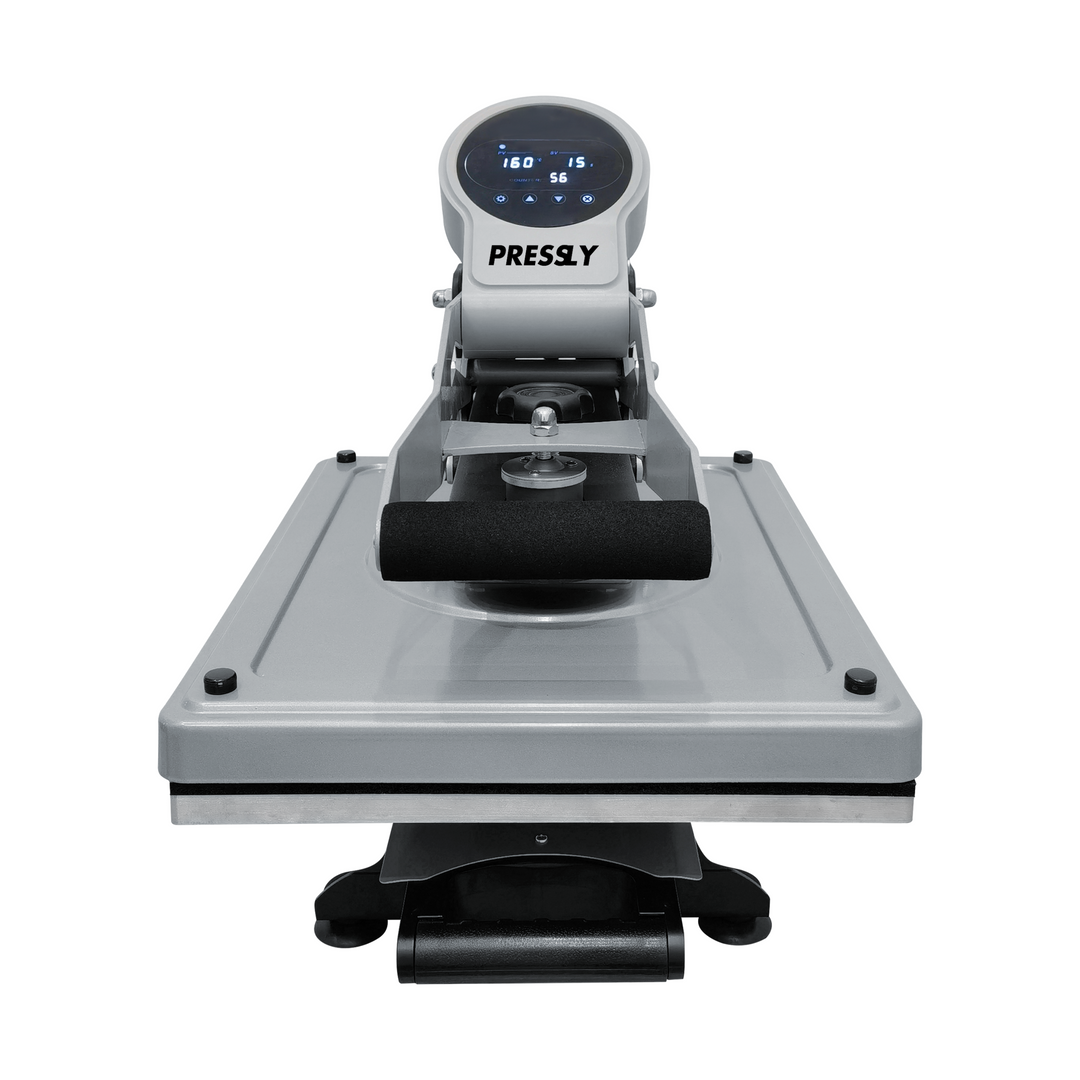
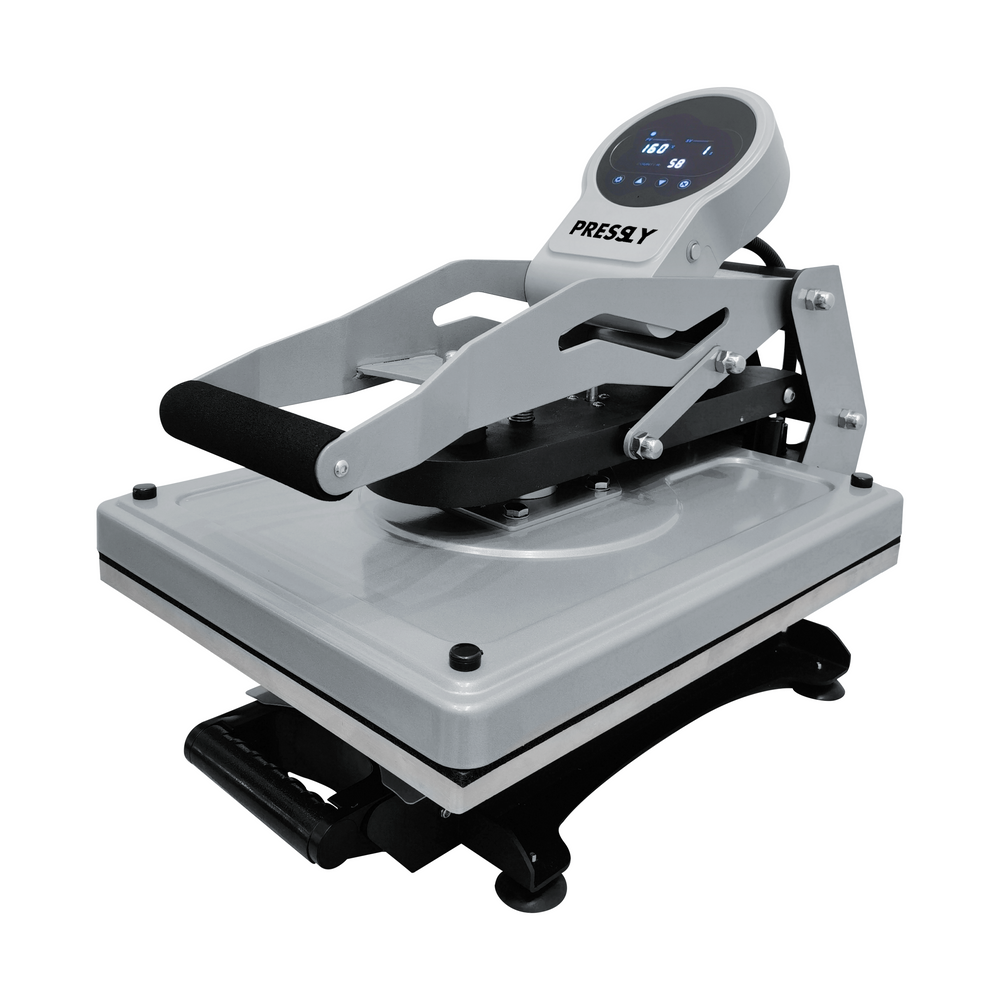
The final result of Custom Heat Press Transfers depends on the pressing stage. Using a high-quality heat press is much better than a home iron. You must control three factors: time, temperature, and pressure.
Most transfers require a temperature of 305°F to 320°F. You should press the design for about 12 to 15 seconds. High pressure is necessary to force the adhesive into the fabric weave. Always do a "pre-press" to remove moisture and wrinkles from the shirt. After peeling the film, a 5-second "post-press" seals the edges perfectly.
Maximizing Value with Gang Sheets
For businesses looking to grow, "Gang Sheets" are a secret weapon. A gang sheet allows you to put many different designs on one large roll of film. This maximizes the use of space and lowers your cost per print.
You can combine chest logos, back designs, and neck labels on a single sheet. This is the most cost-effective way to order Custom Heat Press Transfers in bulk. It simplifies your inventory and speeds up your production time. You simply cut the transfers you need and press them onto your garments.
Design Tips for High-Quality Results
Great Custom Heat Press Transfer start with high-quality digital files. Always provide your designs in 300 DPI resolution for maximum sharpness. Use transparent backgrounds to avoid unwanted borders around your art.
Since the printer uses CMYK colors, ensure your files are set up correctly. Avoid lines that are too thin, as they may not have enough adhesive to stick. A minimum thickness of 0.02 inches is usually recommended for small details. Following these rules ensures your final product looks professional and stays durable.
Troubleshooting Common Pressing Issues
Even experts face occasional issues with Custom Heat Press Transfer. If a design doesn't stick, the pressure might be too light. If the colors look scorched, the temperature might be too high for that fabric.
If you see spots on the film, it could be due to high humidity. Always store your transfers in a cool, dry place to keep them fresh. If the film is hard to peel, check if it is a "cold peel" or "hot peel" type. Knowing these small details will save you time and prevent wasted materials.
The Future of Garment Decoration
The technology behind Custom Heat Press Transfers continues to improve. We are seeing the rise of neon inks, reflective finishes, and glitter effects. Software is becoming smarter, making it easier to manage color and ink usage.
As these tools become more accessible, the gap between small shops and factories disappears. Small creators can now produce fashion that rivals global brands. This is an exciting time to be in the apparel industry. With heat transfers, your only limit is your own imagination.
Conclusion: Start Your Journey Today
Custom Heat Press Transfer offer a powerful way to bring your ideas to life. They combine the speed of digital printing with the strength of industrial prints. For businesses, they offer a low-cost way to scale and succeed. For individuals, they provide a way to create unique, personalized gifts.
Invest in quality transfers, master your heat press, and focus on great design. You will soon see the amazing results this technology can provide. Start your journey today and see how easy it is to create professional custom apparel.
To stay updated with the latest trends and production tips, you can follow the official Eagle DTF Print Instagram and Eagle DTF Print Facebook pages. These platforms offer a great way to see real-world applications of their high-quality transfers and stay informed about new product launches. You can also find helpful video tutorials and behind-the-scenes content on their Eagle DTF Print YouTube channel, which is dedicated to transforming the world of DTF and UV DTF printing. By engaging with them on Eagle DTF Print TikTok and Eagle DTF Print Pinterest, you gain access to a constant stream of creative inspiration and direct communication for any support or order inquiries. These social accounts serve as a valuable hub for the printing community to connect and share professional insights.
Let customers speak for us
Won’t clog headafter a few days of not being
Won’t clog headafter a few days of not being used
jose zuniga

Premium DTF Ink - White 1 Liter
Great Work!!!
Very helpful and patient. I really like the work they do.
DTF and UV
Anonymous

Build Your DTF Gang Sheet
Honestly, the best money I’ve ever spent on transfers! The 24/7 pickup is GENIUS!
RYAN WAKEFIELD
Eagle DTF Print
The turn around time and quality of the DTF and UVDTF are amazing! I am so happy I found a local shop!
Lydia
Eagle DTF Print
Great Purchase
Working On Third Large Order Love The Ease Of Building A Gang Sheet First Hand And Trusting It Will Be Delivered Correctly Colors Has Matched Perfectly And No Overlap Takes Only A Few Minutes To Cut
Terry

BUILD YOUR UV DTF STICKER GANG SHEET
Very satisfied with the work
Very satisfied with the work, good color, and fast delivery.
Anonymous

DTF Transfer By Size
easy of order process, speedy delivery, a returning customer(Screen Printer 30yr.)
Bruce Anderson
Eagle DTF Print
I had great experiences with Eagle DTF ever since I discovered this company. Fast shipping and option to pickup even after hours is something you won’t find elsewhere. This shop has become my go to for my small business as i always get my order within a day. I highly recommend them!
Jennifer
Eagle DTF Print
Eagle DTF Print delivers amazing quality every time!
The quality of their Build Your DTF Gang Sheet are amazing! The colors are vibrant, the details are crisp, and the transfers press perfectly. Fast turnaround and great customer service. Highly recommend and will use again!
Stephanie Garcia
Build Your DTF Gang Sheet