Chicago DTF Business Guide 2026
How to Start DTF Business Chicago 2026
Starting a DTF printing business in Chicago can be a smart opportunity for entrepreneurs who want to serve local apparel brands, schools, events, small businesses, creators, and print shops. This guide explains the market opportunity, equipment needed, business requirements, customer strategies, and how Eagle DTF Print can help you start with or without your own equipment.

Why Start a DTF Business in Chicago?
Chicago is one of the strongest cities in the Midwest for custom apparel, local business branding, events, sports culture, school spirit wear, restaurant merchandise, and creative entrepreneurship. A DTF printing business can serve many customer types because Direct-to-Film transfers are flexible, colorful, durable, and suitable for small or large production runs.
The biggest advantage of DTF printing is accessibility. Compared with many traditional printing methods, a DTF business can start with a lower investment, smaller workspace, and flexible production model. You can begin by selling finished shirts, offering custom transfers, creating gang sheets, or partnering with a wholesale DTF provider before buying your own printer.
Chicago also has a wide range of potential buyers. Local clothing brands need short-run drops. Schools and clubs need team apparel. Restaurants, cafés, gyms, barbershops, contractors, and event organizers need branded shirts. Creators and online sellers need fast custom merchandise. This demand gives DTF businesses multiple ways to build revenue instead of depending on only one customer type.
Another Chicago advantage is local speed. Many customers prefer nearby vendors because they want faster turnaround, easy communication, and reliable pickup or delivery. If you position your business as a dependable Chicago DTF partner, you can compete on service, quality, and convenience instead of only price.


Equipment Needed
A DTF printing business can be built in two ways: you can purchase equipment and produce transfers in-house, or you can start by outsourcing production through a wholesale partner. The right option depends on your budget, available space, order volume, and technical experience.
DTF Printer
The DTF printer is the core production machine. It prints designs onto PET transfer film using DTF inks. For a new Chicago business, the printer choice should match your expected volume. A smaller desktop or converted unit may work for testing and low-volume orders, while a professional roll-fed printer is better for consistent commercial production.
Heat Press
A quality heat press is essential for applying transfers to shirts, hoodies, tote bags, and other garments. Look for even temperature distribution, stable pressure, accurate time control, and a size that fits your product range. Many apparel businesses start with a 16x20 heat press because it supports common shirt designs and larger prints.
Computer and Software
You will need a reliable computer for design preparation, order management, and file handling. Graphic software such as Adobe Illustrator, Photoshop, CorelDRAW, Canva Pro, or other design tools can help create and edit customer artwork. RIP software is usually required for professional DTF printing because it controls color output, white ink layers, and print quality.
Supplies
Common supplies include DTF film, DTF ink, adhesive powder, cleaning solution, finishing sheets, parchment paper, blank shirts, packaging materials, shipping labels, and maintenance tools. You should also plan for replacement parts, printer cleaning, test prints, and wasted material during learning.
Total Investment Estimate
A small DTF business can start with a few thousand dollars if it uses wholesale transfers and focuses on pressing finished shirts. A full in-house DTF production setup can require a higher investment depending on printer size, curing equipment, software, supplies, workspace, and maintenance needs. Many beginners reduce risk by starting with wholesale transfers first, then buying equipment after demand is proven.

Chicago Business Requirements
Before opening a DTF business in Chicago, you should check the required registrations, licenses, taxes, zoning rules, and insurance needs for your exact business model. Requirements may change depending on whether you operate from home, a commercial shop, warehouse, shared studio, or retail location.
Business License
Many businesses operating in Chicago may need a City of Chicago business license. You should review the business activity category, location rules, and any license-specific requirements through the City of Chicago Business Affairs and Consumer Protection department.
Tax ID and Illinois Registration
If you sell products or operate a business in Illinois, you may need to register with the Illinois Department of Revenue. Many businesses also obtain a federal EIN for tax, banking, payroll, and vendor purposes.
Permits, Insurance, and Legal Structure
Choose a legal structure such as sole proprietorship, LLC, partnership, or corporation. Many small business owners choose an LLC for liability separation, but the best structure depends on your tax and legal situation. You should also consider general liability insurance, property coverage, equipment coverage, and workers’ compensation if you hire employees.
Important Note
This guide is for general business planning only. Always confirm your exact requirements with the City of Chicago, Illinois Department of Revenue, SBA resources, your accountant, and a qualified business attorney before launching.


Finding Customers in Chicago
Customer acquisition is the most important part of building a successful DTF business. Many beginners focus only on equipment, but equipment does not create sales by itself. You need a clear customer strategy, local visibility, and repeat-order systems.
Target Markets
Good target markets in Chicago include clothing brands, schools, sports teams, dance studios, gyms, churches, restaurants, local events, construction companies, cleaning companies, barbershops, beauty salons, nonprofit groups, and online sellers. Each group has different needs, so create sample offers for each market.
Marketing Strategies
Start with simple local marketing. Build a Google Business Profile, create a clear website, post finished shirt examples on Instagram and TikTok, and publish service pages for keywords like Chicago DTF transfers, custom shirts Chicago, DTF gang sheets Chicago, and wholesale DTF Chicago.
Visit local businesses with sample shirts. Offer first-order discounts to restaurants, contractors, gyms, schools, and event organizers. Create sample packs for apparel brands and print shops. Show customers the quality in person because DTF transfers are easier to sell when people can feel the print and see the colors.
Networking and Online Presence
Join local business groups, attend vendor events, connect with designers, and build relationships with screen printers who may need DTF for full-color short-run jobs. Use online ordering forms to collect design files, shirt sizes, deadlines, and customer notes. The easier your order process is, the more likely customers are to return.


Partnering with Eagle DTF Print
You do not need to buy a full DTF production setup on day one. With Eagle DTF Print, you can start by ordering wholesale DTF transfers, offering custom apparel services, and building your customer base before investing heavily in equipment.
White label options can help you sell under your own brand while Eagle DTF Print handles transfer production. Wholesale pricing can protect your margin, especially when selling to local brands, schools, teams, and small businesses. This model allows you to start lean, test demand, and scale gradually.
As your order volume grows, you can decide whether to continue outsourcing, add a heat press, hire help, or invest in your own DTF printer. This approach reduces risk and gives you more flexibility in the early stages of your Chicago DTF business.
FAQ
1. Is DTF printing a good business in Chicago?
Yes. Chicago has strong demand for custom apparel, local branding, events, schools, restaurants, teams, and small business merchandise.
2. Can I start without a DTF printer?
Yes. You can start by ordering wholesale transfers, pressing shirts yourself, and selling finished apparel.
3. What equipment should I buy first?
A quality heat press is often the best first equipment purchase if you plan to outsource transfers at the beginning.
4. Do I need a business license in Chicago?
Many business activities in Chicago require a city business license. Always confirm your exact category with the City of Chicago.
5. Do I need an EIN?
An EIN is commonly used for taxes, banking, hiring, and vendor accounts. Some sole proprietors may not need one, but many businesses still get one.
6. Can I run a DTF business from home?
Possibly, but you must check zoning, business license rules, equipment safety, ventilation, noise, and lease or HOA restrictions.
7. Who are the best customers?
Local brands, schools, sports teams, restaurants, gyms, event organizers, contractors, churches, and online sellers are strong targets.
8. What products can I sell?
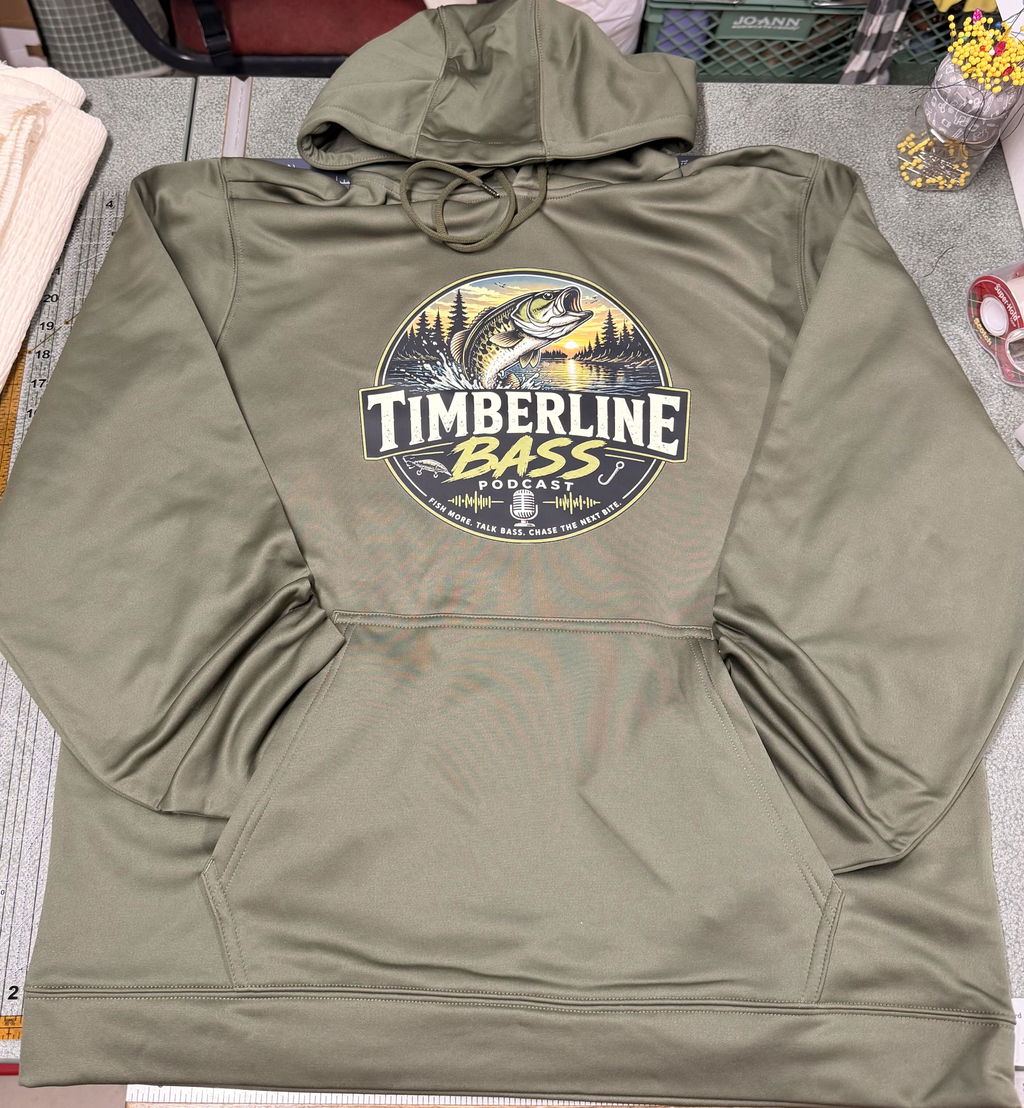
You can sell custom shirts, hoodies, tote bags, uniforms, team apparel, event shirts, gang sheets, and ready-to-press transfers.
9. How do I price DTF shirts?
Calculate blank cost, transfer cost, labor, packaging, overhead, profit margin, and local market pricing.
10. Should I sell online or locally?
Both. Local customers build repeat business, while online ordering can expand your reach and improve convenience.
11. What software do I need?
Design software helps prepare artwork, while RIP software is usually needed for professional DTF printing.
12. Is DTF better than screen printing?
DTF is excellent for full-color, short-run, and custom jobs. Screen printing can still be efficient for large single-color or limited-color runs.
13. How can Eagle DTF Print help?
Eagle DTF Print can support wholesale transfers, white label production, supplies, and gradual scaling options.
14. How fast can I start?
If you use wholesale transfers and already have a heat press, you can begin selling quickly after completing business setup and marketing materials.
15. What is the safest way to start?
Start lean, test demand, use wholesale production, build repeat customers, and invest in equipment only when your order volume supports it.
Helpful Resources
- DTF Printing Chicago Guide
- Wholesale DTF Chicago
- Best DTF Printers
- Best Heat Press
- DTF Printing for Beginners
- Wholesale Application
- Contact Eagle DTF Print
- Shop DTF Products
- Eagle DTF Print
- Chicago DTF Gang Sheet
External resources: SBA Business Guide, Chicago Business Affairs and Consumer Protection, Chicagoland Chamber of Commerce.
Start Your Chicago DTF Business with Confidence
A successful DTF business in Chicago starts with a clear plan, reliable production, strong local marketing, and smart cost control. Whether you want to buy equipment or begin with wholesale transfers, Eagle DTF Print can help you launch, serve customers, and scale step by step.
Apply for Wholesale