DTF vs Screen Printing Chicago

DTF vs Screen Printing in Chicago: Complete Comparison 2026

If you are comparing DTF vs screen printing in Chicago, the real question is not which method is better in every situation. The better question is which method fits your project: a small batch of full-color merch, a rush event order, a large corporate run, or a simple one-color design for hundreds of shirts.
Both methods can produce professional custom apparel. DTF printing is usually better for small runs, complex designs, fast testing, and full-color artwork. Screen printing is still a strong choice for large runs with simple artwork where the same design is repeated many times.
This 2026 guide compares DTF and screen printing side by side for Chicago businesses, creators, brands, teams, schools, event planners, and print buyers. You will see how cost, setup time, minimum order, color range, detail quality, turnaround, durability, and best use cases compare.
What is DTF Printing?
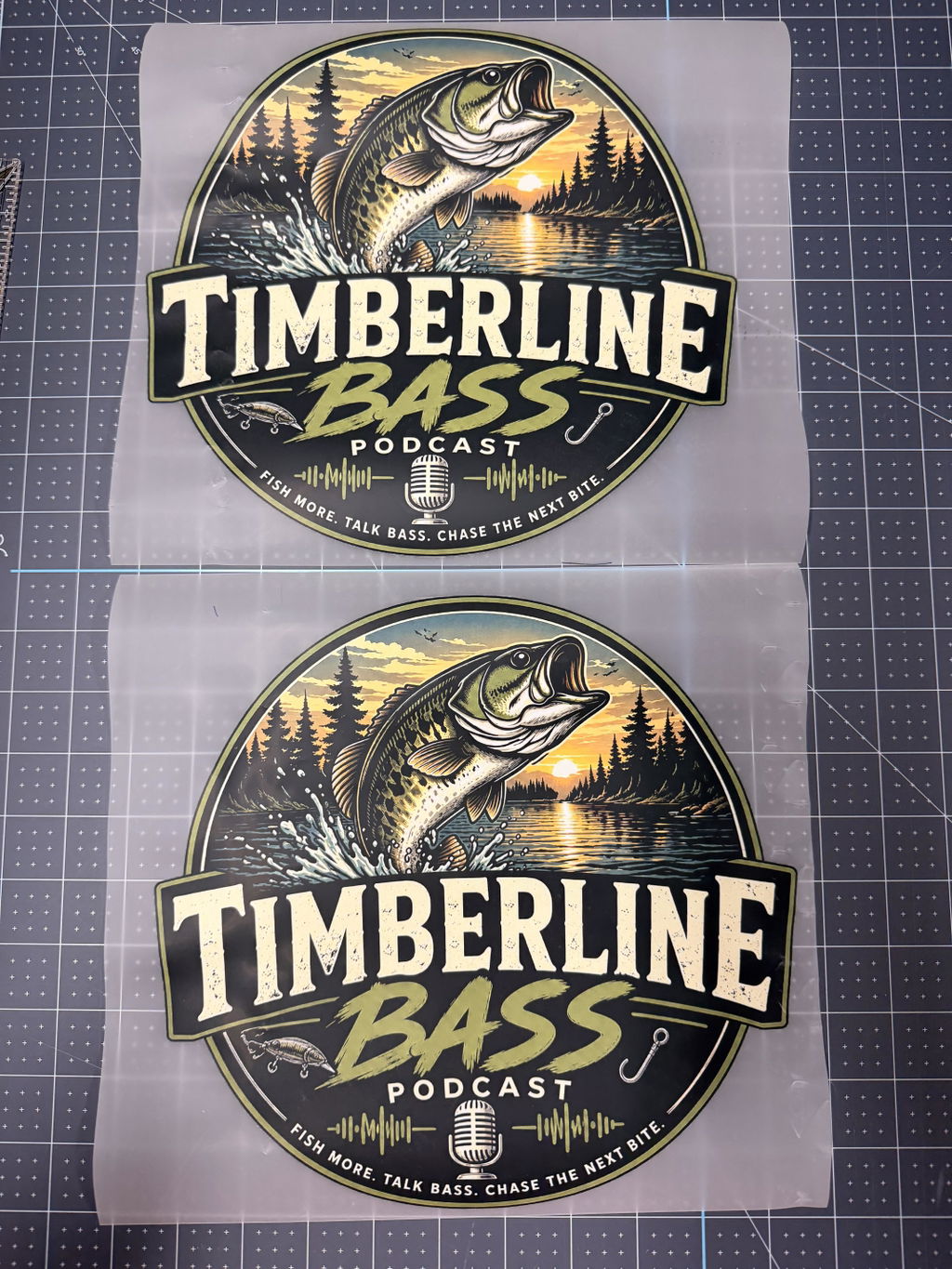
DTF printing, or direct-to-film printing, is a heat-transfer method where artwork is printed onto a special film, coated with adhesive powder, cured, and then pressed onto fabric with heat and pressure. Instead of printing directly onto the garment, the design is created as a ready-to-press transfer.
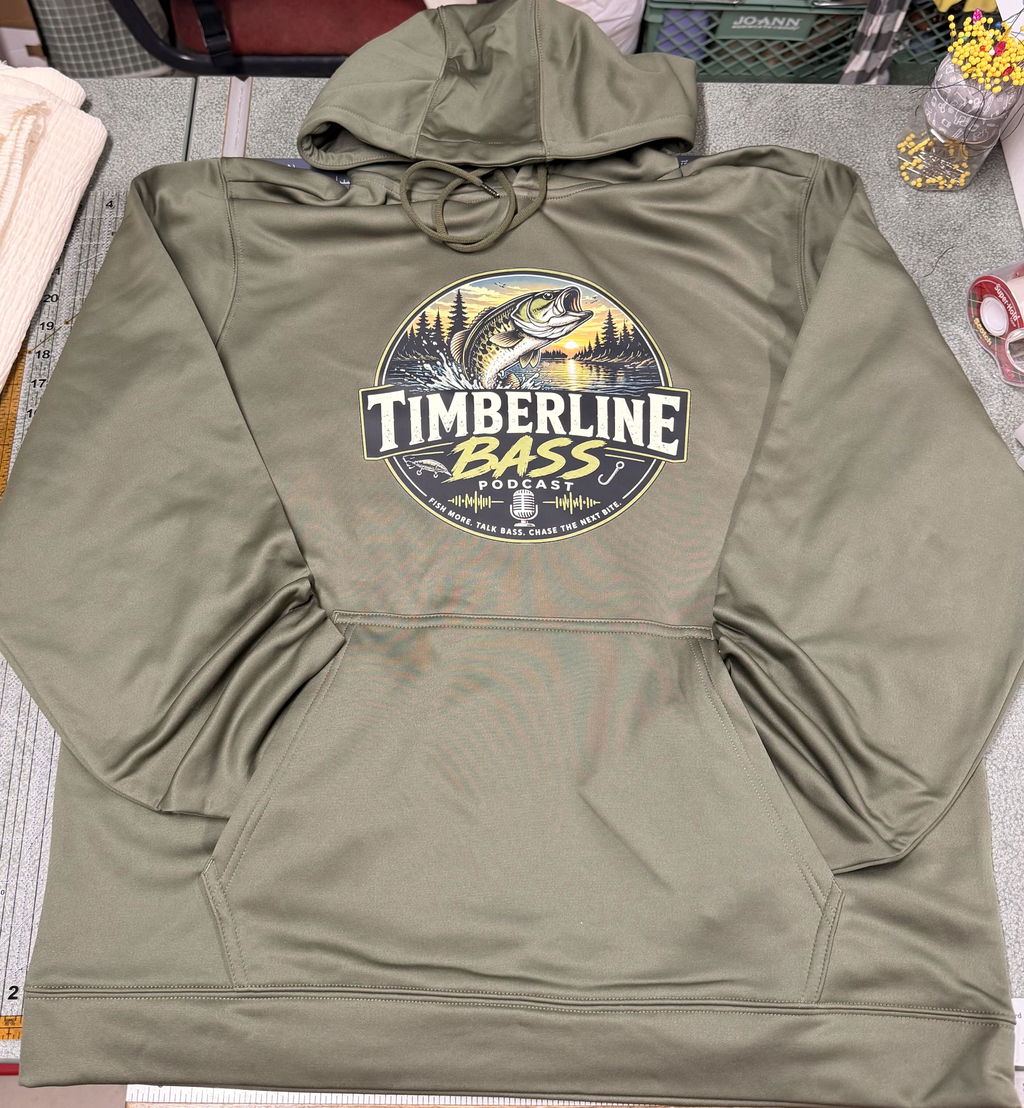
This makes DTF highly flexible for Chicago apparel projects. You can print full-color logos, gradients, photos, small text, detailed illustrations, and multiple artwork styles without needing one screen per color. That is why many small businesses, local brands, Etsy sellers, schools, and event organizers choose DTF when they need fast, colorful, low-minimum custom apparel.
The main advantages of DTF are simple: low setup, strong color range, no major color limitations, good fabric compatibility, and faster turnaround for small or mixed orders. It is also practical for testing new designs before committing to larger production.
The main drawbacks are that DTF may not always beat screen printing on very large, simple runs. If you need 500 identical one-color shirts, screen printing may offer a lower cost per unit after setup. DTF also requires correct heat press application to achieve the best durability and feel.
For a deeper local overview, see our DTF printing Chicago guide or learn the basics in what is DTF transfer.


What is Screen Printing?
Screen printing is a traditional apparel printing method where ink is pushed through a mesh screen onto the garment. Each color usually requires its own screen, and the design is separated by color before production. This setup process takes more time upfront, but it can become cost-effective when the same design is printed many times.
Screen printing is especially strong for simple artwork, spot colors, bold logos, and large-volume runs. If a Chicago business needs hundreds of identical shirts for a festival, restaurant staff, construction crew, school event, or corporate giveaway, screen printing can be a practical choice.
The biggest advantage of screen printing is cost efficiency at scale. Once the screens are prepared, the cost per shirt can drop significantly on large orders. It also produces a familiar, durable print feel, especially with plastisol or water-based inks.
The limitations are setup time, minimum order requirements, and color complexity. A design with many colors, gradients, shadows, or photographic detail may require more screens, more setup, and higher cost. Small runs can become expensive because the setup cost is spread across fewer shirts.
For background on the process, you can review Wikipedia’s screen printing overview. For broader context on printing methods, see Britannica’s printing method resources.


Side-by-Side Comparison DTF vs Screen Printing
The best way to compare DTF vs screen printing in Chicago is to look at the practical production factors. Cost per unit, setup time, minimum order, artwork complexity, color options, and turnaround all affect the final decision.
| Factor | DTF Printing | Screen Printing |
|---|---|---|
| Cost per unit | Strong for small and medium runs | Strong for large repeated runs |
| Setup time | Low setup; artwork can move quickly | Higher setup; screens must be prepared |
| Minimum order | Usually low or no minimum | Often requires higher quantities |
| Color options | Full color, gradients, photos, details | Best with fewer spot colors |
| Detail quality | Excellent for small text and detailed graphics | Excellent for bold, simple artwork |
| Turnaround time | Often faster for small or rush orders | Can take longer due to setup |
| Durability | Durable when applied correctly | Very durable when printed correctly |
| Best for | Small runs, full color, testing, fast projects | Large runs, simple logos, budget-per-unit focus |
DTF is usually the easier choice when a project needs flexibility. Screen printing is usually the better choice when a project needs scale. If the design has many colors or the order quantity is small, DTF avoids the setup burden. If the artwork is simple and the order is large, screen printing can reduce the per-unit price.
For Chicago buyers who are unsure, the safest move is to compare the design and quantity before choosing. A local brand launching five shirt designs may benefit from DTF. A company ordering 1,000 identical one-color shirts may benefit from screen printing.
When to Use DTF in Chicago
Use DTF printing in Chicago when your order needs speed, detail, flexibility, or lower commitment. DTF is ideal for small runs because you do not need to pay for screen setup or commit to a large order quantity.
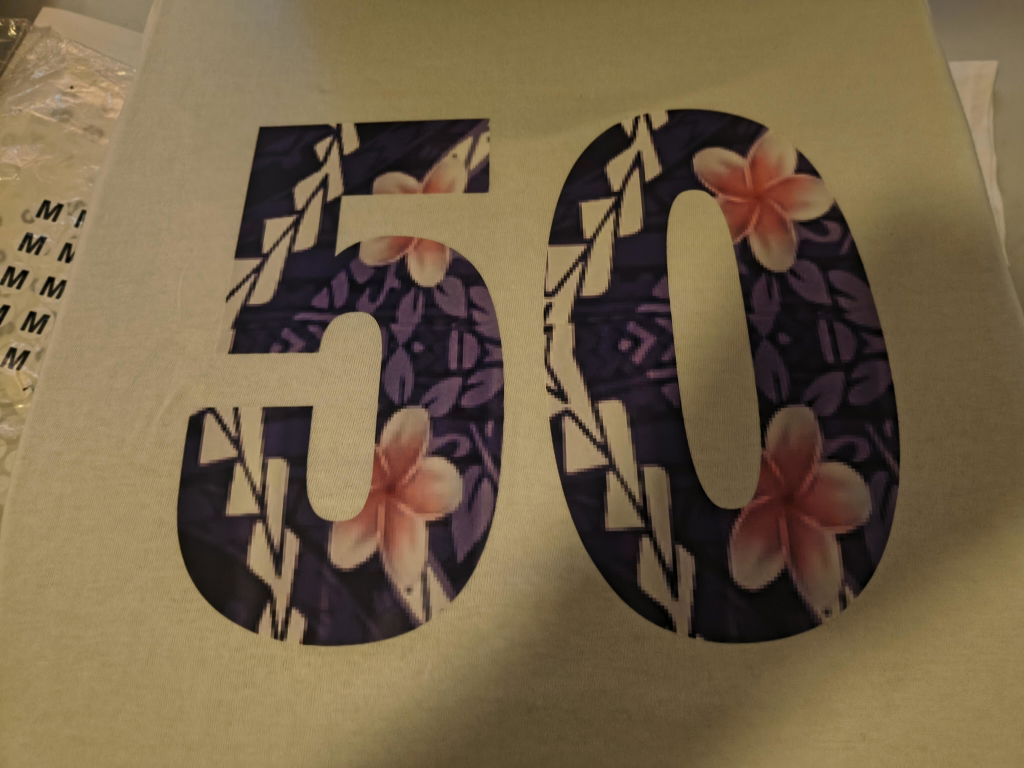
DTF is also strong for complex designs. If your artwork has many colors, gradients, shadows, photographic elements, or small details, DTF handles that complexity better than traditional screen printing in many cases. You can print the design in full color without separating every color into its own screen.
DTF is useful for quick turnaround projects. Chicago events, pop-ups, sports tournaments, local business launches, and last-minute merch drops often need shirts fast. DTF allows faster production because the setup process is lighter.
Testing designs is another major advantage. A streetwear brand can test five graphics without ordering 100 pieces of each one. A small business can print staff shirts in different sizes. A school club can order a limited run for one event.
Good DTF use cases include full-color merch, small-batch brand drops, custom team shirts, event apparel, employee shirts, influencer merch, family reunion shirts, and limited-edition designs.
To start with local DTF options, browse our Chicago DTF transfer collection.


When to Use Screen Printing
Use screen printing when your order is large, your design is simple, and your priority is lowering cost per unit. Once the screen setup is complete, screen printing becomes efficient for repeated production of the same design.
Screen printing works well for one-color or two-color logos, bold text, simple graphics, and high-volume uniform orders. It is commonly used for large corporate giveaways, restaurant uniforms, school shirts, construction crew apparel, festival shirts, and promotional campaigns.
If your Chicago project has a fixed design and a large quantity, screen printing may be more economical. For example, 300 identical shirts with a one-color chest logo may be better suited for screen printing than DTF.
The trade-off is flexibility. If you need ten different designs, full-color artwork, personalization, or fast testing, screen printing becomes less convenient. Every design and color change can add setup work.
Good screen printing use cases include simple logo shirts, bulk staff uniforms, event shirts with one design, large team orders, sponsor shirts, and low-color promotional apparel.


Chicago Pricing Comparison DTF vs Screen Printing
Pricing depends on artwork, quantity, garment type, print size, number of locations, turnaround, and production method. In general, DTF has a lower setup barrier, while screen printing has a stronger break-even point at larger quantities.
DTF cost usually comes from transfer size, print area, garment cost, and pressing labor. If you order transfers only, the cost is often easier to scale by design size. For gang sheets and print planning, review our DTF gang sheet pricing guide.
Screen printing cost usually includes screen setup, ink colors, garment cost, print locations, and quantity. The more shirts you print with the same artwork, the lower the setup cost feels per shirt.
A simple break-even example: DTF may be better for 1–75 pieces with full-color art or multiple designs. Screen printing may start to become more attractive around 100+ pieces when the artwork is simple and repeated. The exact break-even point depends on the shop, artwork, and garment.

Need help choosing the right method? Compare for My Project →
FAQ - DTF vs Screen Printing
Which is cheaper, DTF vs Screen Printing?
DTF is often cheaper for small orders, full-color artwork, and multiple designs because setup is lower. Screen printing can be cheaper for large runs with simple artwork because the setup cost spreads across more shirts.
Which has better quality?
Both can produce professional quality. DTF is better for full-color detail, gradients, and small artwork elements. Screen printing is excellent for bold, simple designs and large-volume production.
Which lasts longer?
Both methods can last a long time when produced and cared for correctly. Screen printing has a strong durability reputation, while high-quality DTF transfers are also durable when properly heat pressed.
Can you combine DTF and screen printing?
Yes. Some apparel projects use both methods. For example, screen printing may be used for a large simple logo run, while DTF may be used for smaller custom batches or detailed artwork.
What minimum is required for screen printing?
Screen printing often has a higher minimum because each design and color requires setup. Many shops prefer minimums such as 24, 50, or 100 pieces, depending on the job.
What minimum is required for DTF?
DTF usually has a much lower minimum. It is practical for one-off designs, small batches, test orders, and short-run custom apparel.
What is the turnaround difference?
DTF can often move faster for small or rush orders because setup is lighter. Screen printing may need more time for screen preparation, separations, and production scheduling.
Which is better for a small business?
DTF is often better for small businesses that need flexible quantities, multiple designs, and full-color branding. Screen printing can be better once the business is ready for large repeated runs.
Which is better for events?
DTF is strong for small events, colorful designs, or tight deadlines. Screen printing is strong for large events where hundreds of identical shirts are needed.
Which is better for merch?
DTF is ideal for testing merch designs and launching small drops. Screen printing can be better when a merch design is proven and ready for large-volume production.
Does screen printing have color limitations?
Screen printing can print multiple colors, but each color usually adds setup. DTF handles full-color designs more easily, including gradients and photo-style artwork.
How does each method feel on the shirt?
Screen printing can feel very soft, especially with the right ink and fabric. DTF has a transfer feel but can still be comfortable when the artwork and application are done correctly.
Which method is more eco-friendly?
It depends on the inks, materials, waste, and production setup. DTF may reduce waste for small orders, while screen printing can be efficient for large runs. Ask the shop about materials and processes.
Which has a harder learning curve?
Screen printing has a steeper learning curve because of screens, exposure, registration, inks, and cleanup. DTF still requires skill, but the production workflow is usually easier to scale for full-color transfers.
Which equipment costs more?
Both can require serious equipment. Screen printing needs screens, exposure units, presses, dryers, and washout systems. DTF needs a printer, powder system, curing setup, heat press, and maintenance supplies.
Get Help Choosing DTF vs Screen Printing in Chicago
DTF vs Screen Printing both have a place. DTF is usually the smarter choice for small runs, detailed artwork, fast turnaround, and design testing. Screen printing is usually stronger for large runs with simple artwork and a low cost-per-unit goal.
If you are not sure which method fits your Chicago apparel project, Eagle DTF Print can help you compare options based on artwork, quantity, deadline, and budget.