DTF vs Heat Transfer Vinyl (HTV): Complete Guide 2026
Choosing between DTF and Heat Transfer Vinyl can change the way your apparel business handles custom orders, short runs, detailed artwork, and daily production. This guide compares both methods so you can choose the right option for your next custom apparel project.
Both DTF and HTV use heat to apply designs to garments, but the workflow, design flexibility, cost structure, durability, and production speed are very different. DTF, or Direct-to-Film printing, is ideal for full-color transfers and detailed artwork. HTV, or Heat Transfer Vinyl, is a cut-and-press method that works best for simple names, numbers, logos, and vinyl effects.
For local businesses, creators, and apparel brands, understanding the difference between DTF and HTV is especially important when choosing a reliable production method for DTF printing in Chicago.

What Is DTF Printing?
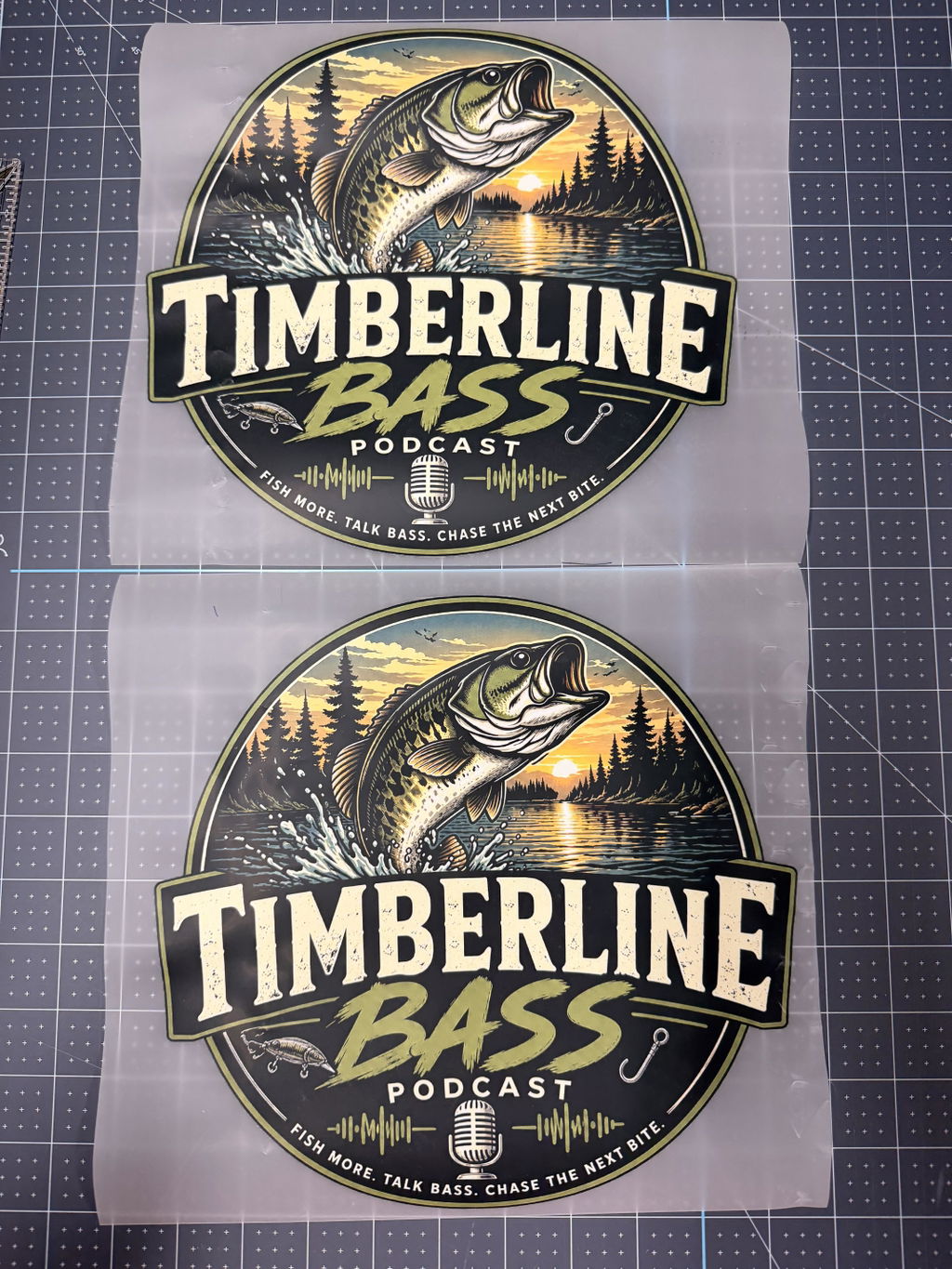
DTF stands for Direct-to-Film. In this process, artwork is printed onto a special PET film using DTF ink. After printing, hot melt adhesive powder is applied to the wet ink, cured, and then heat pressed onto the garment. The result is a ready-to-press transfer that can be applied to cotton, polyester, cotton blends, dark garments, light garments, hoodies, tote bags, and many other fabric products.
If you are new to this process, our complete guide on what is DTF transfer explains how the film, ink, powder, and heat press process work together.
The biggest advantage of DTF printing is design freedom. Unlike HTV, DTF does not require cutting every color separately or manually weeding tiny details. You can print full-color images, gradients, small text, shadows, photographic artwork, and multi-color logos in one transfer.
DTF is especially useful for custom t-shirts, streetwear, brand merchandise, print-on-demand orders, wholesale transfer production, and ecommerce apparel stores. A shop can print one custom transfer or create gang sheets with multiple designs on the same film roll, making DTF a flexible solution for both small and growing businesses.


What Is Heat Transfer Vinyl?
Heat Transfer Vinyl, usually called HTV, is a specialty vinyl film designed to bond to fabric with heat and pressure. The design is cut in reverse using a vinyl cutter or plotter. After cutting, the extra vinyl around the design is removed by hand. This step is called weeding. The remaining design stays on a carrier sheet and is then positioned on the garment and pressed with a heat press.
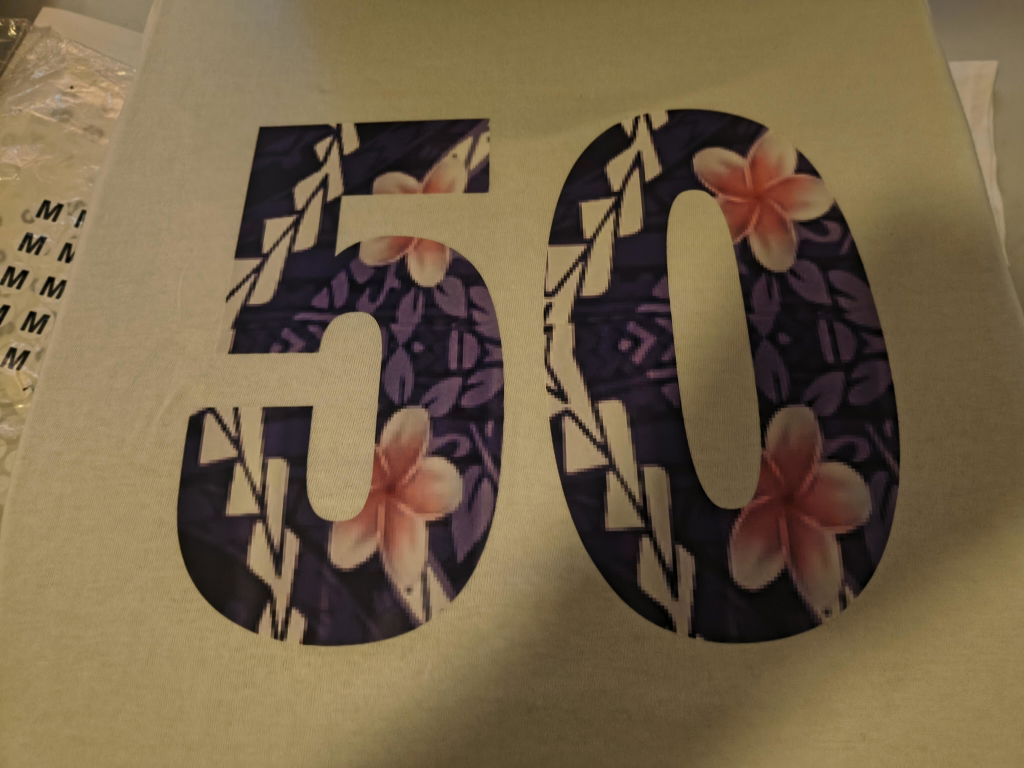
HTV is popular because it is easy to understand, affordable to start, and great for simple designs. Names, numbers, team jerseys, one-color logos, school shirts, staff uniforms, and basic text designs are common HTV applications. HTV also comes in specialty finishes such as glitter, flock, metallic, reflective, holographic, glow-in-the-dark, and puff effects. You can also read more about Heat Transfer Vinyl from Wikipedia.
However, HTV becomes slower when the design has many colors or tiny details. Each color usually needs to be cut separately, weeded separately, aligned correctly, and pressed carefully. This makes HTV less efficient for full-color graphics, realistic images, detailed logos, or large production runs.
HTV is still valuable for decorators who produce simple personalization work. If your business mainly prints names, numbers, single-color chest logos, or specialty vinyl effects, HTV can be practical and profitable.


DTF vs HTV Side-by-Side Comparison
| Feature | DTF Printing | Heat Transfer Vinyl |
|---|---|---|
| Best For | Full-color custom designs, detailed logos, short runs, gang sheets, ecommerce orders | Simple text, names, numbers, one-color logos, specialty vinyl effects |
| Design Detail | Excellent for small text, gradients, shadows, and complex artwork | Limited by cutting and weeding difficulty |
| Color Capability | Full color in one print | Usually one color per vinyl layer |
| Manual Labor | Lower after setup | Higher because of cutting and weeding |
| Startup Cost | Higher if printing in-house; lower if ordering ready-to-press transfers | Lower startup cost with cutter, vinyl, and heat press |
| Production Speed | Fast for multi-color and repeat orders | Fast for simple one-color designs, slow for complex designs |
| Fabric Compatibility | Works on cotton, polyester, blends, dark and light garments | Works on many heat-safe fabrics depending on vinyl type |
| Feel on Garment | Soft and flexible when properly applied | Can feel thicker, especially with layers |
| Durability | Strong wash resistance with quality transfers and correct pressing | Durable for simple designs, but layered vinyl may crack or peel over time |
| Scaling | Easier to scale for print shops and online orders | Harder to scale when designs are complex |
The main difference is labor. DTF moves most of the work into the print process. HTV moves much of the work into cutting, weeding, aligning, and pressing. For a one-color name on a jersey, HTV can be faster. For a full-color logo with small details, DTF is usually much more efficient.
When to Use DTF
Use DTF when your design has many colors, gradients, shadows, or small details. DTF is ideal for artwork that would be difficult or impossible to cut with vinyl. If a customer sends a full-color logo, mascot design, illustration, or photographic image, DTF can reproduce it without separating each color into vinyl layers.
DTF is also a strong option for short-run custom apparel. You can print one design, ten designs, or a full gang sheet without creating screens or cutting individual vinyl layers. This makes it useful for Etsy sellers, Shopify stores, local print shops, brand drops, event shirts, and on-demand production.
For businesses that want fast, full-color, ready-to-press apparel solutions, Chicago DTF transfers can make production easier without investing in a full in-house printing setup.
Another reason to use DTF is fabric flexibility. DTF transfers work on many common garment types, including cotton, polyester, blends, hoodies, sweatshirts, tote bags, and performance apparel. This gives businesses more freedom when customers bring different blanks or request mixed-product orders.
Choose DTF when you need full color, better detail, faster multi-color production, and a workflow that can scale beyond basic personalization.
When to Use HTV
Use HTV when the design is simple, bold, and easy to cut. Names, numbers, initials, school designs, team jerseys, staff shirts, and single-color logos are perfect HTV jobs. If the artwork has clean lines and limited colors, HTV can be affordable and efficient.
HTV is also a good choice when a customer wants a specialty finish. Glitter vinyl, flock vinyl, metallic vinyl, reflective vinyl, holographic vinyl, and puff vinyl can create visual effects that standard DTF may not match in the same way. For fashion pieces, cheer uniforms, dance teams, or promotional apparel, specialty HTV can add texture and shine.
Small businesses and beginners often start with HTV because the equipment cost can be lower. A basic cutter, weeding tools, vinyl rolls, and a heat press are enough to begin producing simple custom apparel. This makes HTV attractive for hobby sellers, local personalization businesses, and creators testing the market.
However, HTV is not the best option for every job. If a design has many tiny details, several colors, or realistic artwork, the weeding time can become too high. Layering multiple vinyl colors can also make the print feel heavier and increase the chance of alignment mistakes.
Choose HTV when the job is simple, the design has limited colors, and the customer wants vinyl-specific effects or basic personalization.
DTF vs HTV Pricing Comparison
The cost difference depends on whether you are buying transfers, printing in-house, or cutting vinyl yourself. HTV usually has a lower startup cost. A beginner can start with a vinyl cutter, heat press, weeding tools, and vinyl sheets or rolls. Material cost for a simple one-color design can be low, but labor cost increases as the design becomes more detailed.
DTF has a higher equipment cost if you print in-house, because you need a DTF printer, inks, film, powder, curing equipment, and maintenance supplies. However, many businesses avoid the printer investment by ordering custom DTF transfers or gang sheets.
If you are comparing costs for bulk orders or multiple designs on one sheet, check our guide to DTF gang sheet pricing to understand how gang sheets can reduce cost per design.
For simple one-color names and numbers, HTV can be cheaper. For full-color logos, ecommerce orders, and detailed artwork, DTF is often more profitable because it reduces labor and avoids multi-layer vinyl work.
Practical rule: use HTV for simple personalization and DTF for detailed, colorful, or repeatable production.
FAQ: DTF vs HTV
1. Is DTF better than HTV?
DTF is better for full-color, detailed, and scalable production. HTV is better for simple names, numbers, and vinyl effects.
2. Is HTV cheaper than DTF?
HTV can be cheaper for simple one-color designs. DTF can be cheaper when labor and multi-color work are included.
3. Can DTF print photos?
Yes. DTF is suitable for photo-style artwork, gradients, shadows, and full-color images.
4. Can HTV do full-color designs?
Traditional HTV is limited. Printable HTV exists, but standard HTV is best for simple colors and clean shapes.
5. Which lasts longer?
Both can last well when applied correctly. Durability depends on material quality, pressure, temperature, and washing.
6. Which feels softer?
DTF usually feels softer than layered HTV, especially on complex designs.
7. Is HTV good for jerseys?
Yes. HTV is commonly used for names and numbers on sports jerseys.
8. Is DTF good for hoodies?
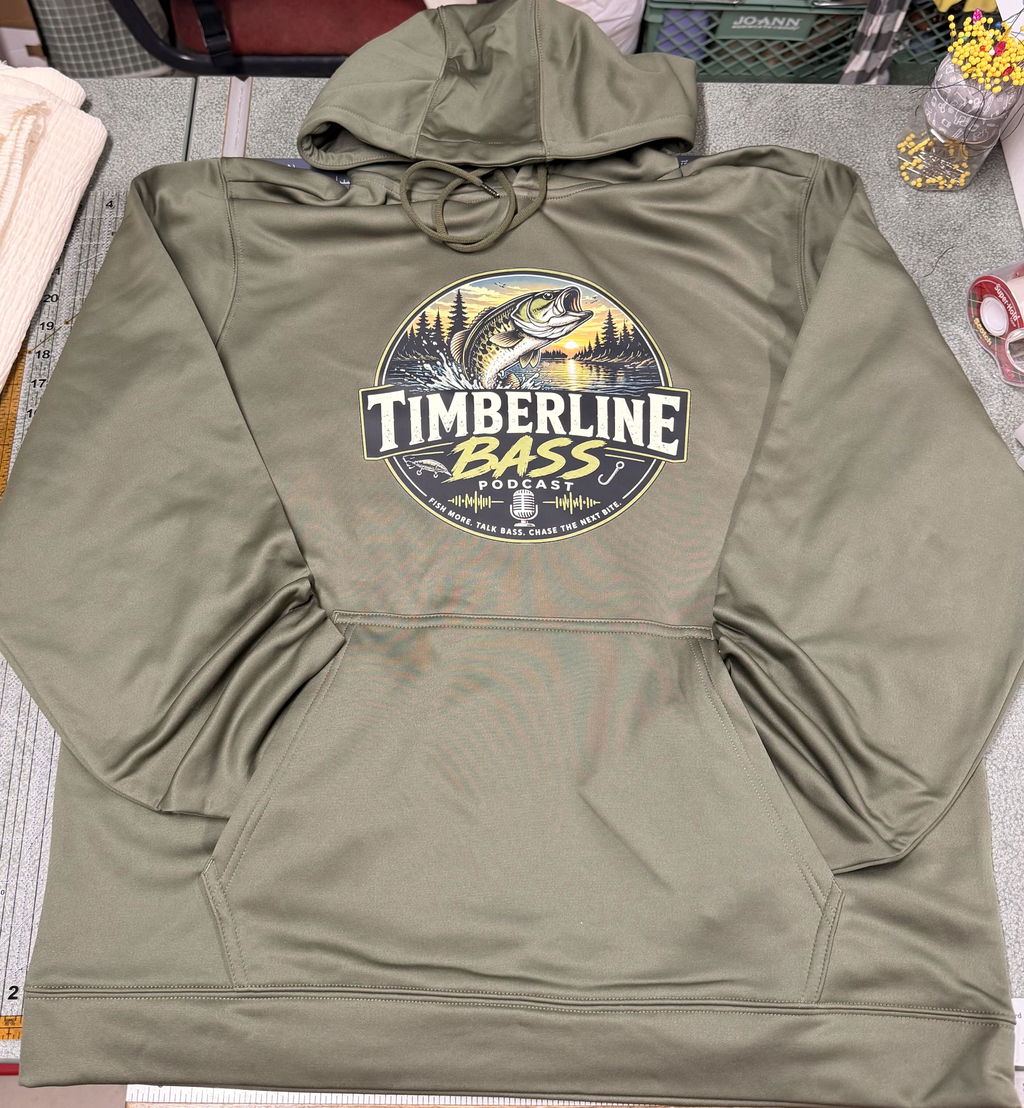
Yes. DTF works well on hoodies, sweatshirts, and cotton-blend garments.
9. Which is faster?
HTV is faster for simple one-color jobs. DTF is faster for detailed multi-color jobs.
10. Do I need a cutter for DTF?
No. DTF does not require vinyl cutting or weeding.
11. Do I need weeding for HTV?
Yes. Weeding is part of the HTV workflow.
12. Which should beginners choose?
Beginners with simple designs can start with HTV. Beginners selling detailed apparel may prefer ready-to-press DTF transfers.
Final Verdict: DTF or HTV?
DTF and HTV are both useful, but they are not built for the same kind of work. HTV is simple, affordable, and effective for basic personalization. DTF is more flexible, more detailed, and better for modern custom apparel production.
If your business focuses on names, numbers, and simple vinyl graphics, HTV is still a strong option. If your customers want full-color logos, detailed artwork, faster turnaround, and professional-quality transfers, DTF is the better long-term choice.
For most growing print shops in 2026, the best setup is not always DTF or HTV alone. Many businesses use both: HTV for simple vinyl jobs and DTF for colorful, detailed, and scalable custom apparel orders.
Need Help Choosing the Right Transfer Method?
DTF and HTV both have strong advantages, but the best choice depends on your design, fabric, order size, and production goals. Eagle DTF Print offers high-quality Chicago DTF transfers designed for professional results.
To learn more about local production, read our guide to DTF printing in Chicago, or reach out for help with your next order.
Contact Our Team